
Brain Fuel Calculator
Select your typical daily habits to see how well you are supporting your brain's memory centers. Aim for a high "Neuro-Score" by balancing hydration with targeted antioxidants.
Select the drinks you consume regularly:
Critical Lifestyle Multipliers
Your Estimated Neuro-Score
0
BeginnerStart by adding water and selecting your primary beverage.
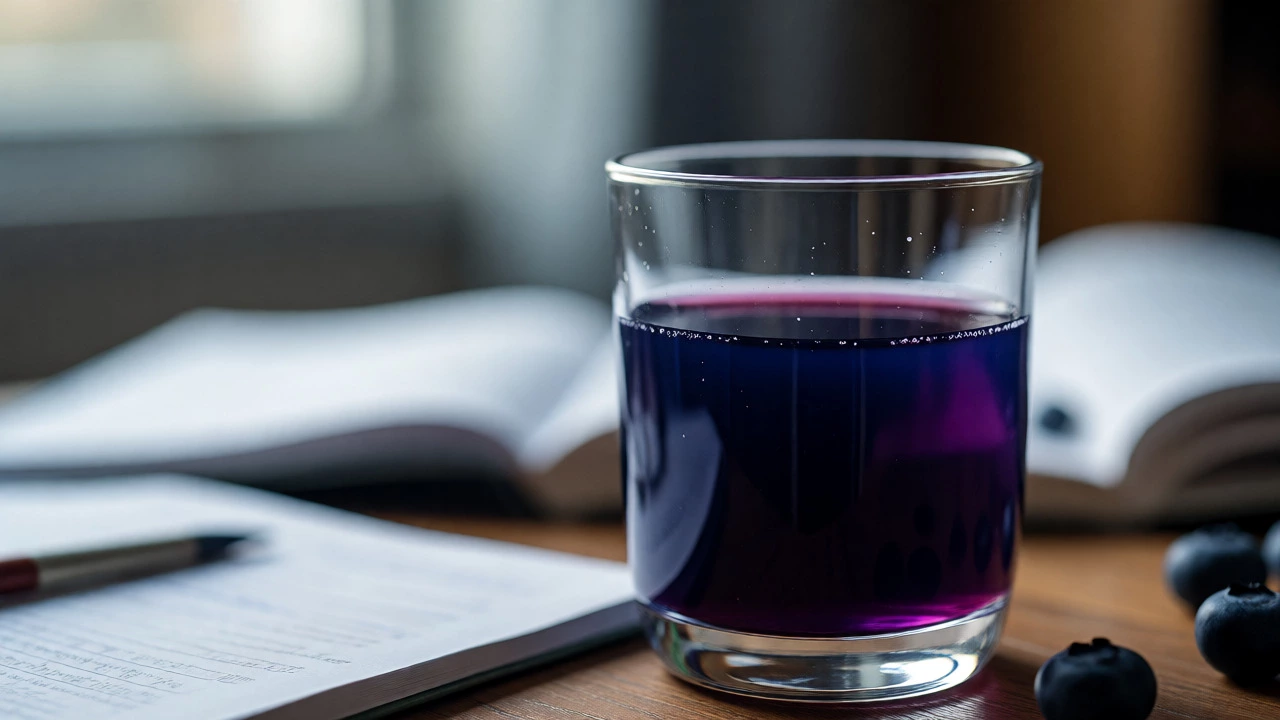
You are sitting at your desk, staring at a textbook that might as well be written in hieroglyphics. The words swim before your eyes, and the concept you read five minutes ago has already evaporated from your mind. This isn't just frustration; it's a biological signal. Your brain is running on fumes. While there is no magic potion that instantly uploads data into your hippocampus, science points to one specific beverage that consistently tops the list for supporting memory retention and slowing cognitive decline: blueberry juice.
This isn't about hype or wellness trends. It’s about phytonutrients. Specifically, anthocyanins. These are the pigments that give berries their deep purple and blue hues, and they have been shown in multiple studies to cross the blood-brain barrier and reduce oxidative stress. For students cramming for exams or older adults noticing their recall slipping, understanding what goes into your cup is just as important as what goes onto your flashcards. Let’s break down why this drink works, how to use it effectively, and what else you should consider for peak mental performance.
Why Blueberry Juice Takes the Crown
When researchers talk about foods that boost brain power, blueberries are almost always the headline act. But why? The answer lies in their high concentration of flavonoids. A study published in the Annals of Neurology found that women who consumed two or more servings of blueberries per week delayed memory decline by up to 2.5 years compared to those who didn’t. That is a significant chunk of time when you’re trying to retain information during a rigorous study period or maintain clarity in later life.
The mechanism is straightforward but powerful. Anthocyanins improve blood flow to the brain. Think of your neurons like cars on a highway; if the road is congested with plaque or inflammation, traffic slows down. Blueberry compounds help clear that congestion. They also stimulate the production of Brain-Derived Neurotrophic Factor (BDNF), a protein that supports the survival of existing neurons and encourages the growth of new synapses. More synapses mean better connectivity, which translates directly to faster learning and easier recall.
However, not all blueberry juices are created equal. If you buy a cheap carton from the gas station, you are likely drinking sugar water with a hint of flavor. To get the cognitive benefits, you need to look for 100% pure juice or, even better, make your own blend. Sugar spikes can actually cause brain fog, counteracting the benefits of the antioxidants. So, check the label. If sugar is in the top three ingredients, put it back.
Beyond the Berry: Other Top Contenders for Cognitive Clarity
While blueberry juice holds the #1 spot in many nutritional rankings, it doesn’t work in isolation. Your brain is a complex organ that requires a symphony of nutrients, not just a solo act. Several other drinks deserve a place in your rotation, especially if you are dealing with chronic fatigue or intense study sessions.
Green tea is a close second. Unlike coffee, which can lead to jitters and crashes, green tea contains L-theanine, an amino acid that promotes relaxation without drowsiness. When paired with the moderate caffeine content, it creates a state of "calm alertness." This is ideal for sustained focus during long revision blocks. Studies suggest that regular green tea consumption is linked to lower risks of dementia and improved working memory.
Coffee, often demonized, also has its place. Caffeine blocks adenosine, a brain chemical that makes you feel tired. A 2014 study from Johns Hopkins University showed that caffeine strengthens memory consolidation. This means it helps lock in information after you’ve studied it. However, timing is critical. Drinking coffee right before bed ruins sleep quality, and sleep is when your brain actually files away memories. Use coffee strategically, not compulsively.
Water is the boring but essential foundation. Even mild dehydration-just 1-2% drop in body water-can impair short-term memory and attention span. If you are feeling forgetful, you might not need a supplement; you might just need a glass of water. Keep a bottle on your desk. It sounds too simple to be true, but ignoring hydration is the most common mistake students make.

How to Build a Brain-Boosting Beverage Routine
Knowing what to drink is half the battle. Knowing when and how to drink it determines whether you see results. You don’t need to overhaul your entire diet overnight. Start with small, sustainable changes that align with your daily rhythm.
- Morning Kickstart: Replace sugary energy drinks with green tea or black coffee. This sets a steady tone for the day without the crash.
- Mid-Day Focus: Have a small glass of pure blueberry juice or eat a handful of fresh blueberries with your lunch. This provides a mid-day antioxidant boost to combat afternoon slump.
- Study Session Hydration: Keep water within arm's reach. Aim for consistent sipping rather than chugging large amounts at once.
- Evening Wind-Down: Avoid caffeine after 2 PM. Opt for herbal teas like chamomile or peppermint, which can aid digestion and relaxation, preparing your brain for restorative sleep.
Consistency beats intensity. Drinking a gallon of blueberry juice once a month won’t help. Sipping a small amount daily will. Think of it as maintenance, not repair. Your brain needs these nutrients regularly to build resilience against stress and age-related decline.
The Role of Diet and Lifestyle Beyond the Glass
A drink cannot fix a broken lifestyle. If you are sleeping four hours a night and eating processed junk, no amount of blueberry juice will save your grades or your memory. Memory formation relies heavily on synaptic plasticity, which is influenced by overall metabolic health. High blood sugar and insulin resistance are strongly linked to Alzheimer’s disease and general cognitive impairment.
Consider pairing your brain-boosting drinks with a Mediterranean-style diet. This pattern emphasizes healthy fats, whole grains, lean proteins, and plenty of vegetables. Omega-3 fatty acids, found in fish like salmon and mackerel, are crucial for maintaining the structure of brain cells. Without adequate omega-3s, the cell membranes become rigid, hindering communication between neurons. No beverage replaces the structural support provided by dietary fats.
Sleep is another non-negotiable pillar. During deep sleep, the glymphatic system clears out toxins that accumulate in the brain during waking hours. Beta-amyloid plaques, associated with Alzheimer’s, are flushed out primarily during this phase. If you sacrifice sleep to cram, you are undermining the very process of memory consolidation. Prioritize seven to nine hours of quality rest, and let your chosen beverages support that recovery.

Comparing Popular Memory-Boosting Drinks
To help you decide what fits your routine, here is a breakdown of the top contenders based on their primary active compounds, best use cases, and potential downsides.
| Drink | Key Active Compound | Primary Benefit | Best Time to Consume | Potential Downside |
|---|---|---|---|---|
| Blueberry Juice | Anthocyanins | Long-term neuroprotection, improved blood flow | With breakfast or lunch | High sugar if not 100% pure |
| Green Tea | L-Theanine + Caffeine | Calm focus, reduced anxiety | Morning or early afternoon | Can interfere with iron absorption |
| Coffee | Caffeine | Immediate alertness, memory consolidation | Morning or pre-study | Jitters, sleep disruption |
| Water | H2O | Prevents cognitive decline due to dehydration | All day | None |
| Kombucha | Probiotics + Acids | Gut-brain axis support | After meals | Variable sugar/caffeine content |
Common Myths About Memory Drinks
The market is flooded with "brain tonics" promising instant genius. Be skeptical of claims that sound too good to be true. One common myth is that coconut oil is a cure-all for memory loss. While medium-chain triglycerides (MCTs) provide quick energy for the brain, evidence linking them to significant improvements in human memory is mixed and often anecdotal. Don’t spend a fortune on exotic oils until you’ve mastered the basics: hydration, sleep, and whole-food antioxidants.
Another misconception is that alcohol helps you relax and remember better. In reality, alcohol is a neurotoxin. Chronic heavy drinking shrinks the hippocampus, the part of the brain responsible for forming new memories. Even moderate drinking can disrupt REM sleep, which is vital for emotional processing and memory integration. If you want to protect your memory, limit alcohol intake significantly.
Finally, beware of "detox" teas. Most do not detox anything; your liver and kidneys handle that job efficiently. Many contain laxatives that lead to temporary weight loss but no cognitive gain. Stick to evidence-based options like tea, water, and berry-infused drinks. Your wallet and your brain will thank you.
Is blueberry juice really effective for preventing Alzheimer's?
Research suggests that regular consumption of blueberries can delay cognitive decline by up to 2.5 years. The anthocyanins in blueberries reduce inflammation and oxidative stress in the brain, which are key drivers of Alzheimer's disease. While it is not a cure, it is a powerful preventive measure when combined with a healthy lifestyle.
How much blueberry juice should I drink daily?
Aim for about 8 ounces (240 ml) of 100% pure blueberry juice per day. Alternatively, consuming a cup of fresh or frozen blueberries provides similar benefits with less sugar and more fiber. Consistency is more important than volume; small daily doses are better than occasional large ones.
Does coffee help with memory loss?
Coffee can enhance short-term memory and alertness due to its caffeine content. Some studies indicate it may strengthen memory consolidation. However, excessive consumption can lead to anxiety and sleep disturbances, which negatively impact long-term memory. Moderate intake (up to 400mg of caffeine per day) is generally considered safe and beneficial.
Can dehydration cause temporary memory loss?
Yes, even mild dehydration can impair short-term memory, attention, and coordination. Symptoms include brain fog and difficulty concentrating. Rehydrating often resolves these issues quickly. Keeping a water bottle nearby during study sessions or work is a simple yet effective strategy to maintain cognitive function.
Are supplements better than drinking blueberry juice?
Whole foods and natural juices are generally preferred over isolated supplements because they contain a synergistic mix of nutrients, fibers, and antioxidants. Supplements may lack the full spectrum of compounds found in real fruit. Unless advised by a doctor, prioritize getting nutrients from your diet first.
Write a comment