
Pre-Exam Brain Food Analyzer
How it works
Select the foods you plan to eat before your next exam. The tool calculates a "Focus Score" based on glycemic index, nutrient density, and digestion speed.
- ✓ Complex carbs provide steady energy.
- ✗ Simple sugars cause crashes.
- ⚡ Heavy fats slow digestion.
Select Foods
Build your plate below...
You’ve crammed the notes. You’ve highlighted the textbooks. But as you sit down at your desk or walk into the exam hall, your mind feels foggy. That crash isn’t just stress; it’s likely your fuel running out. Your brain is a high-performance engine, and like any engine, it needs the right kind of fuel to run efficiently under pressure.
Many students rely on sugary energy drinks or heavy meals before a test, only to experience a mid-exam slump. The truth is, what you eat in the hours leading up to an exam directly impacts your concentration, memory recall, and ability to stay calm. Choosing the right brain food isn't about finding a magic pill; it's about stabilizing your blood sugar and providing steady energy to your neurons.
The Science of Steady Energy
To understand why certain foods help, you first need to look at how your brain uses energy. The brain consumes about 20% of your body’s total energy, primarily relying on glucose. However, not all glucose is created equal. Simple sugars from candy or soda cause a rapid spike in blood sugar, followed by a sharp drop. This "crash" leaves you feeling tired, irritable, and unable to focus exactly when you need to be sharp.
Complex carbohydrates, on the other hand, break down slowly. They provide a steady stream of glucose to the brain over several hours. Think of it like burning wood versus burning paper. Paper (sugar) burns hot and fast, then turns to ash. Wood (complex carbs) burns steadily and keeps the fire going. For an exam that lasts two or three hours, you want the wood.
Protein and healthy fats also play crucial roles. Protein provides amino acids, which are the building blocks for neurotransmitters like dopamine and norepinephrine-chemicals that regulate attention and alertness. Healthy fats support the structure of brain cells and help keep inflammation low, ensuring your neural pathways fire correctly.
Top Foods for Cognitive Performance
When planning your pre-exam meal or snack, aim for a combination of complex carbs, lean protein, and healthy fats. Here are some specific options that have proven benefits for mental clarity.
- Fatty Fish: Salmon, mackerel, and sardines are rich in omega-3 fatty acids, specifically DHA, which is essential for brain cell structure and function. Studies suggest that regular consumption can improve memory and mood.
- Blueberries: These berries contain anthocyanins, antioxidants that may delay brain aging and improve memory. They are easy to eat as a quick snack without causing a sugar crash.
- Nuts and Seeds: Walnuts, almonds, and pumpkin seeds offer a mix of healthy fats, protein, and vitamin E. Vitamin E protects brain cells from oxidative damage caused by free radicals.
- Eggs: Eggs are packed with choline, a nutrient that helps produce acetylcholine, a neurotransmitter involved in mood and memory. A boiled egg is a perfect, portable pre-study snack.
- Oatmeal: As a complex carbohydrate, oatmeal releases energy slowly. It has a low glycemic index, meaning it won’t spike your blood sugar. Add some berries or nuts for extra brain power.
- Dark Chocolate: Choose chocolate with at least 70% cocoa. It contains flavonoids that increase blood flow to the brain, potentially improving reaction time and attention. Just keep portions small to avoid excess sugar.
What to Avoid Before Testing
Knowing what to eat is half the battle; knowing what to skip is the other half. Certain foods can sabotage your efforts by inducing drowsiness, digestive discomfort, or energy crashes.
| Food Item | Why It Hurts Performance | Better Alternative |
|---|---|---|
| Sugary Cereals & Pastries | Causes rapid blood sugar spikes and subsequent crashes, leading to brain fog. | Oatmeal with nuts |
| Heavy Fried Foods | Takes too much energy to digest, diverting blood flow away from the brain and causing lethargy. | Grilled chicken or fish salad |
| Energy Drinks | High caffeine and sugar content can lead to anxiety, jitters, and a severe crash later. | Green tea or water |
| Spicy Foods | Can cause heartburn or digestive distress, distracting you during the exam. | Mild yogurt or banana |
| Excessive Caffeine | More than 400mg can increase cortisol (stress hormone), impairing working memory. | One cup of coffee early in the day |

Hydration: The Overlooked Factor
We often think of food when discussing brain power, but water is equally critical. Even mild dehydration (losing just 1-2% of body water) can impair cognitive function, reduce concentration, and increase feelings of fatigue. Your brain is roughly 75% water, so keeping it hydrated is non-negotiable.
Avoid drinking large amounts of fluid right before the exam starts, as this will only lead to uncomfortable breaks. Instead, sip water consistently throughout the morning. If you find plain water boring, infuse it with lemon or cucumber slices for a refreshing twist without added sugar.
Be cautious with electrolyte drinks unless you have been exercising intensely. Most commercial sports drinks are loaded with sugar, which defeats the purpose. Stick to water for pure hydration.
Timing Your Meals for Maximum Focus
When you eat matters almost as much as what you eat. Digestion takes time and energy. If you eat a massive meal right before sitting down to write, your body will prioritize digestion over thinking. This phenomenon is sometimes called "food coma" or postprandial somnolence.
- The Night Before: Eat a balanced dinner with lean protein, vegetables, and complex carbs. Avoid heavy, greasy foods that might disrupt sleep. Good sleep is arguably more important than any snack.
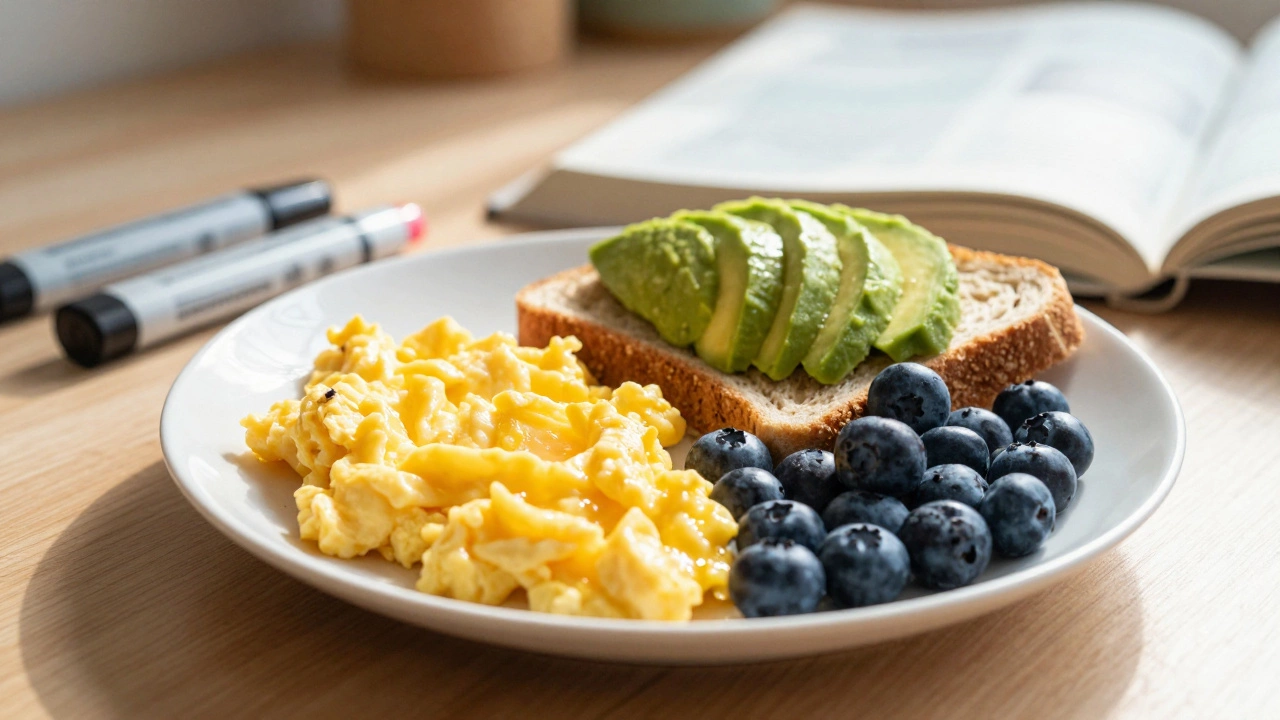
- Morning Of: Have a substantial breakfast 60-90 minutes before the exam. This gives your body time to start digesting and releasing energy. Aim for eggs, whole-grain toast, and fruit.
- Pre-Exam Snack: If you get hungry 30 minutes before the test, opt for a light, easily digestible snack. A piece of dark chocolate, a handful of almonds, or a banana works well. Avoid anything that requires significant chewing or digestion effort.
- During Breaks: If your exam has a break, use it to rehydrate and have a small protein-rich snack. Avoid sugary vending machine items that will make you sleepy for the second half.

Personalizing Your Fuel Strategy
Everyone’s body reacts differently to food. What works for your friend might give you indigestion. It is crucial to experiment during your revision period, not on the day of the actual exam. Treat your study sessions like dress rehearsals. Try eating different combinations of foods and observe how you feel after an hour. Do you feel alert? Do you feel sluggish? Do you get hungry quickly?
Keep a simple log. Note what you ate, when you ate it, and your focus levels during the subsequent study block. Over time, you’ll identify your personal "power foods." Maybe you thrive on Greek yogurt and walnuts, while others prefer avocado on toast. There is no one-size-fits-all solution, but there is a best solution for you.
Also, consider any dietary restrictions or allergies. If you are lactose intolerant, skipping dairy-heavy breakfasts prevents unnecessary discomfort. If you have gluten sensitivity, sticking to naturally gluten-free grains like quinoa or rice ensures you don’t deal with bloating during the test.
Beyond Food: Holistic Brain Health
While nutrition is vital, it doesn’t exist in a vacuum. Your brain functions best when supported by adequate sleep, physical activity, and stress management. No amount of blueberries can compensate for three nights of poor sleep. Prioritize 7-9 hours of restful sleep each night leading up to the exam.
Light physical activity, such as a brisk walk, increases blood flow to the brain and can boost alertness. If you feel stuck on a difficult concept, step outside for five minutes. The fresh air and movement can reset your focus better than another cup of coffee.
Finally, manage your stress. High levels of cortisol can inhibit memory retrieval. Techniques like deep breathing or mindfulness meditation can lower stress hormones, allowing your brain to access the information you’ve studied. Combine these habits with the right nutrition, and you’ll be giving yourself the best possible chance to succeed.
Is it okay to drink coffee before an exam?
Yes, if you are used to it. Caffeine can improve alertness and reaction time. However, avoid it if you are sensitive to jitteriness or anxiety. Limit intake to one standard cup and consume it at least an hour before the exam to avoid needing the restroom. Do not try new amounts of caffeine on exam day.
Should I eat a big breakfast or skip it?
You should definitely eat. Skipping breakfast leads to low blood sugar, which impairs concentration and memory. However, "big" is relative. Aim for a moderate portion that includes protein and complex carbs. A huge, heavy meal will make you sleepy, so balance is key.
What is the best snack to bring into the exam hall?
Check your exam rules first, as many halls prohibit food. If allowed, choose something quiet, non-messy, and easy to eat. A granola bar, a banana, or a small packet of nuts are good options. Avoid crunchy chips or sticky candies that might distract you or your neighbors.
Do supplements like Omega-3 or Ginkgo Biloba help?
Evidence for immediate cognitive boosts from supplements is mixed. Omega-3s are beneficial for long-term brain health but won't act as a quick fix. Ginkgo Biloba results vary widely. It is generally safer and more effective to get nutrients from whole foods. Consult a doctor before starting any new supplement regimen.
How does stress affect my appetite before exams?
Stress triggers the release of cortisol, which can either suppress appetite or cause cravings for high-sugar, high-fat comfort foods. Be mindful of this. If you aren't hungry, force yourself to eat a small, nutritious snack. Your brain needs fuel regardless of your hunger signals, which may be distorted by anxiety.
Write a comment