
ADHD Online School Readiness Checker
Answer the following questions honestly to gauge whether your child (or you) is ready for the autonomy of online learning. This tool evaluates key factors mentioned in the article: structure, distractions, feedback loops, and social needs.
Readiness Score:
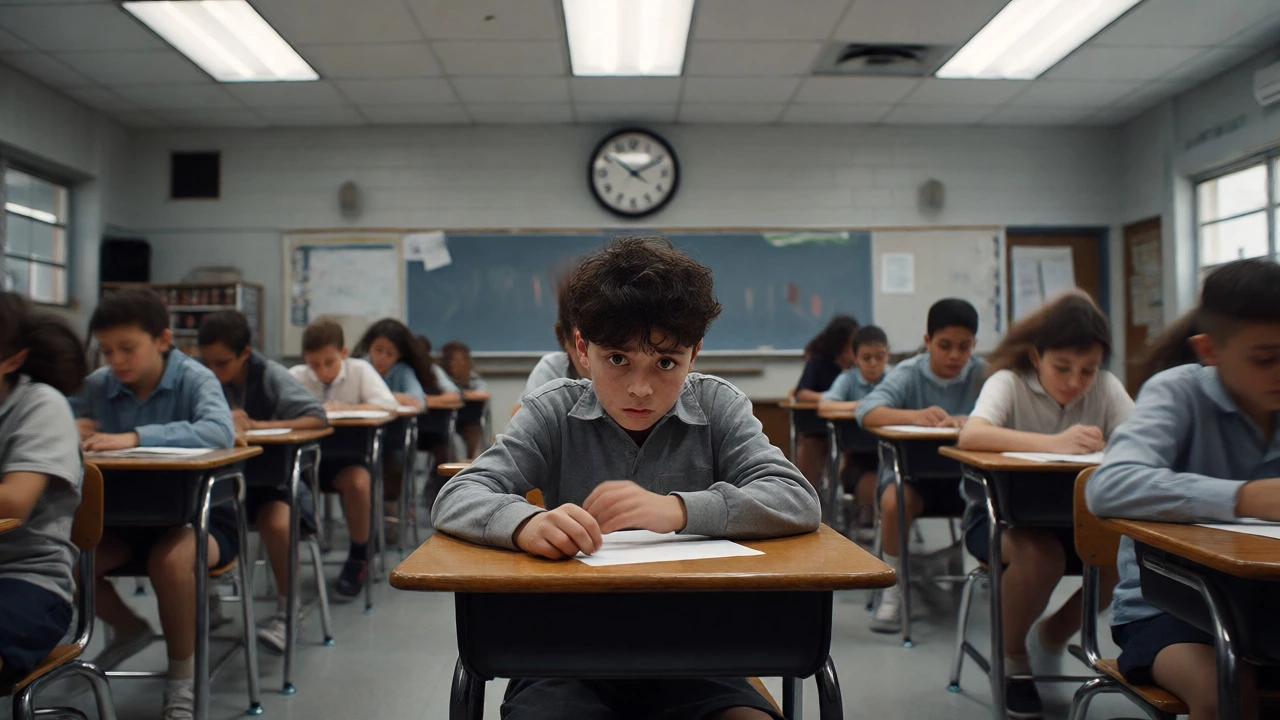
Imagine sitting in a classroom with 25 other kids. The clock is ticking loudly. Someone’s tapping a pencil three rows back. The teacher is droning on about photosynthesis while your brain is screaming about the itch on your left sock or the fact that you forgot to feed the dog. For a student with Attention Deficit Hyperactivity Disorder (ADHD), this isn't just annoying; it's exhausting. It’s why so many parents ask: is online school actually better?
The short answer? It depends. But the longer answer is where things get interesting. Online learning can be a superpower for some ADHD brains and a trap for others. It removes the physical chaos of a traditional school but introduces a digital one. If you’re weighing up whether to switch your child-or yourself-to distance learning, you need to look past the marketing brochures and understand how the ADHD brain actually processes information.
The Traditional Classroom vs. The Digital Screen
Traditional schools are built on a model that assumes everyone learns the same way. You sit still. You listen. You raise your hand. For neurotypical students, this structure provides safety. For students with ADHD, who often struggle with executive function-the mental skills that help you get things done-this rigid structure can feel like wearing a straitjacket.
Online school flips the script. It allows for asynchronous learning, meaning you can study when your brain feels sharpest. Maybe that’s 7 AM before the world wakes up. Maybe it’s 10 PM after the house is quiet. This flexibility is huge. In a traditional setting, if you miss a lesson because you were distracted, you’re behind. In an online setting, you can pause the video lecture, rewind it, or take a five-minute walk to reset your dopamine levels before hitting play again.
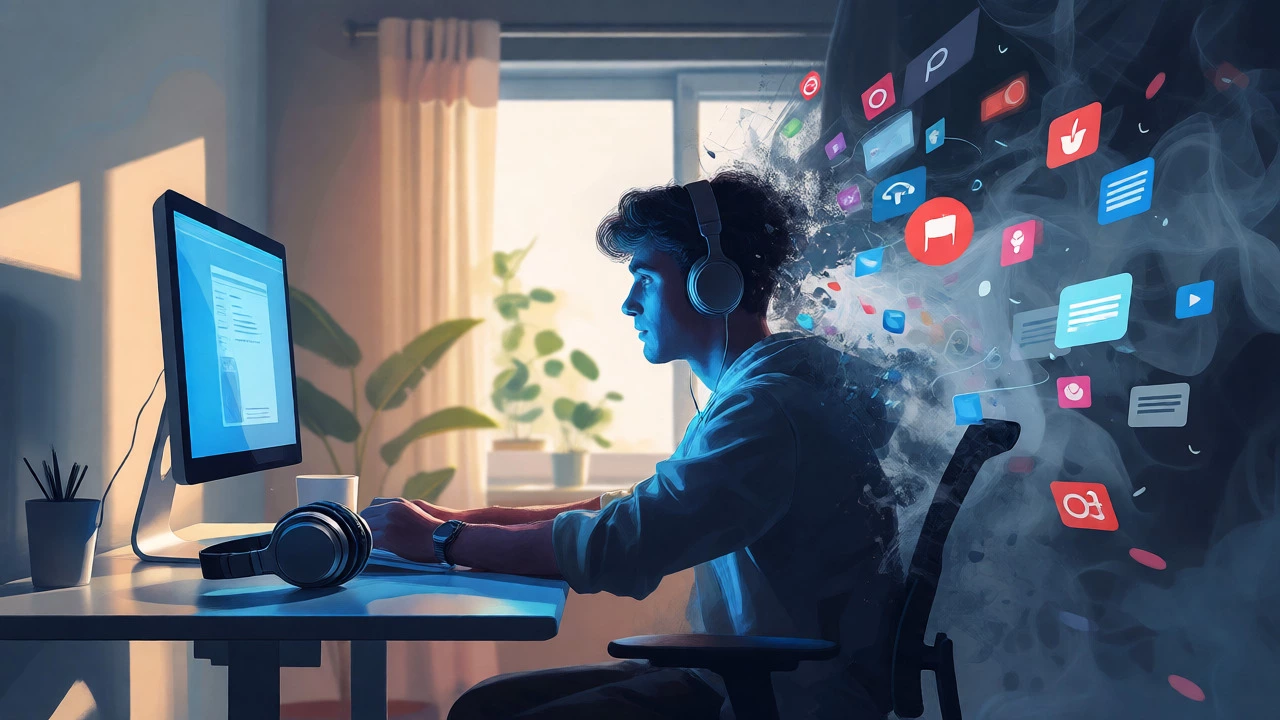
However, here is the catch: freedom requires discipline. And for someone with ADHD, discipline is the exact muscle that is hard to flex. Without a teacher physically present to redirect attention, the temptation to tab over to YouTube or TikTok is overwhelming. So, is it better? Only if you have the tools to manage that freedom.
Why Distance Learning Can Be a Game Changer
Let’s look at the benefits through the lens of neuroscience. ADHD is largely linked to dysregulation of dopamine and norepinephrine. These chemicals control focus and motivation. Traditional classrooms often under-stimulate the ADHD brain, leading to boredom-induced distraction. Conversely, they can also over-stimulate it with noise and social pressure, leading to anxiety.
Online platforms allow for stimulus control. You can choose a silent room. You can use noise-canceling headphones. You can adjust the font size and background color of your reading material to reduce visual clutter. This level of customization is rarely available in a standard classroom.
- Pace Control: Students can speed through subjects they grasp quickly and slow down for complex topics without feeling left behind or holding others back.
- Social Anxiety Relief: Many people with ADHD also deal with Rejection Sensitive Dysphoria (RSD). The lack of immediate peer judgment in text-based forums can lower stress significantly.
- Breaks Are Built-In: Good online programs encourage the Pomodoro technique-25 minutes of work, 5 minutes of break. This aligns perfectly with the limited attention span of many ADHD learners.
One parent I spoke with in Wellington noted that her son’s grades jumped from Cs to As within three months of switching to online math tutoring. Why? Not because he got smarter, but because he stopped spending 40% of his energy trying not to fidget and listening to his classmates breathe.
The Hidden Dangers of Online School for ADHD
It’s not all sunshine and self-paced modules. There are serious pitfalls. The biggest one is the "Procrastination Loop." Because there are no bells ringing to tell you what to do next, tasks pile up. An ADHD brain struggles with time blindness-the inability to sense the passing of time. A deadline that seems far away in your head might actually be due tomorrow.
Without external accountability, students can drift. They might watch the lecture but forget to submit the assignment. They might start a project and never finish it because the initial dopamine hit of starting has worn off, and the reward of finishing feels too distant.
| Feature | Traditional School | Online School |
|---|---|---|
| Structure | High (External) | Low (Internal/Self-Managed) |
| Distractions | Social & Environmental | Digital & Internal |
| Feedback Loop | Immediate (Teacher presence) | Delayed (Email/Grading cycles) |
| Social Interaction | Constant (Can be draining) | Selective (Often text-based) |
| Executive Function Load | Lower (Routine provided) | Higher (Planning required) |
This table highlights the core trade-off. Traditional school does the heavy lifting for your executive functions. Online school hands that burden back to you. If your child hasn’t developed these skills yet, online school can lead to a crash-and-burn scenario unless supported heavily.
Key Features That Make Online Learning Work
Not all online schools are created equal. If you are looking for a program that supports ADHD, ignore the prestige of the brand name. Look for specific pedagogical features instead. Here is what actually matters:
1. Short, Modular Lessons
A two-hour live Zoom lecture is torture for most people, let alone someone with ADHD. Look for courses broken into 10-15 minute chunks. This keeps the cognitive load manageable. Each module should end with a quick quiz or interactive element to maintain engagement.
2. Active Learning Elements
Passive watching leads to passive zoning out. Effective platforms use drag-and-drop activities, gamified progress bars, and instant feedback. When a student clicks an answer and gets a green checkmark immediately, that small dopamine hit reinforces the behavior and keeps them moving forward.
3. Human Connection
This is crucial. Isolation is a major risk factor for depression in ADHD students. The best online schools offer regular one-on-one check-ins with mentors or tutors. These don’t need to be long-15 minutes a week-but they provide the external accountability that prevents procrastination. Knowing someone will ask "Did you finish chapter 4?" on Tuesday is powerful.
4. Visual Organization Tools
Look for dashboards that visualize progress clearly. Kanban boards (To Do, Doing, Done) are excellent for ADHD brains because they make abstract tasks concrete. Seeing a task move from "Doing" to "Done" provides a sense of closure and satisfaction.
How to Set Up Your Home for Success
If you decide to go the route of distance learning, your home environment becomes your classroom. You cannot just set a laptop on the kitchen table and hope for the best. You need to engineer the space for focus.
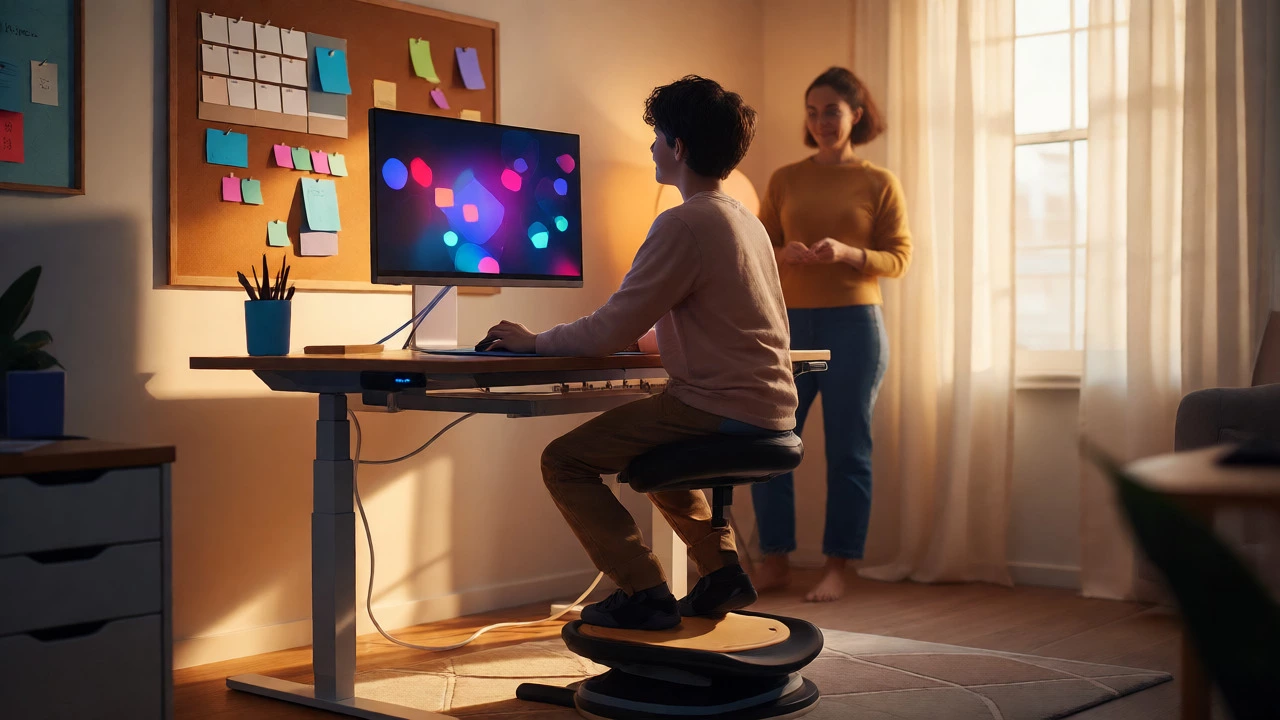
First, designate a specific spot for schoolwork. It doesn’t need to be a separate room, but it must be consistent. When you sit there, your brain knows it’s time to work. When you leave that chair, you’re off the clock. This helps combat the "always on" feeling that plagues remote workers and students alike.
Second, manage digital distractions aggressively. Use browser extensions like Cold Turkey or Freedom to block social media sites during study hours. Better yet, use a separate user profile on the computer just for school, with bookmarks only for educational resources. Out of sight, out of mind is a literal rule for ADHD management.
Third, build movement into the day. ADHD brains often think better when the body is moving. Allow standing desks, wobble stools, or even pacing while listening to audio lectures. Don’t force stillness if it kills productivity. If your child needs to bounce on a yoga ball while writing an essay, let them. The goal is output, not posture.
When Online School Might Not Be the Answer
We’ve talked about the pros, but let’s be real about the cons. Online school fails when the student lacks intrinsic motivation or basic self-regulation skills. If a teenager cannot remember to log in, or ignores emails for weeks, they aren’t ready for full autonomy. They need scaffolding.
Also, consider the social aspect. While avoiding bullying is great, humans are social creatures. Some ADHD students thrive on the energy of peers. They learn by talking, debating, and collaborating. A purely text-based online environment can feel sterile and lonely, leading to disengagement. If your child craves face-to-face interaction, a hybrid model-where they attend school twice a week and study online the rest-might be the sweet spot.
Finally, assess the tech literacy. If the family struggles with technology, adding another layer of complexity can cause friction. Troubleshooting Wi-Fi issues shouldn’t become the main barrier to education.
Making the Decision: A Checklist
Before you pull the trigger on enrollment, run through this checklist. If you can tick more than half, online school is likely a good fit.
- [ ] Does the student have a dedicated, quiet workspace at home?
- [ ] Can the student follow a schedule independently for at least one hour?
- [ ] Is there a parent or mentor available to check in daily for the first few weeks?
- [ ] Does the chosen platform offer short lessons and interactive content?
- [ ] Has the student expressed interest in the format (or at least openness to trying it)?
- [ ] Are there opportunities for social interaction (clubs, meetups, forums)?
If you checked mostly "no," consider starting with supplemental online tutoring rather than full-time enrollment. Test the waters. See if the format reduces their stress before committing to the whole curriculum.
Final Thoughts
Is online school better for ADHD? It’s not inherently better or worse. It’s different. It trades external structure for internal freedom. For the right student, with the right support system, it can unlock potential that was stifled in a traditional classroom. For others, it can amplify existing challenges with organization and motivation.
The key isn’t the medium-it’s the match. Don’t choose online school because it’s trendy or because you had a bad experience with local teachers. Choose it because it offers the specific accommodations your brain needs to thrive. And remember, the goal isn’t just to complete the course. It’s to learn how to learn, in a way that works for you, long after the screen goes dark.
Can online school help with homework battles?
Yes, often significantly. In traditional settings, homework is assigned blindly and graded days later. In many online platforms, assignments are integrated into the lesson flow with immediate feedback. This closes the loop between effort and result, which is critical for ADHD motivation. Additionally, parents can see exactly what was assigned and when, removing the "I didn't know we had homework" excuse.
Will my child lose social skills if they go fully online?
Not necessarily, but they will change. Online socializing is often more intentional and less chaotic than schoolyard interactions. Many students with ADHD find this easier to navigate. However, it is vital to supplement online schooling with offline activities-sports, art classes, or local clubs-to ensure they practice face-to-face communication skills. Hybrid models are excellent for balancing academic flexibility with social exposure.
How much parental involvement is needed?
For younger children (primary/middle school), high involvement is expected. Parents act as executive function coaches, helping to break down tasks and monitor progress. For older teens, involvement should shift to oversight rather than direction. The goal is gradual independence. If a teen is struggling, temporary increased supervision may be needed, but the aim is always to teach self-management skills.
Are online schools accredited and recognized?
Reputable online schools are fully accredited and their qualifications are widely recognized by universities and employers. Always check for accreditation bodies relevant to your country (e.g., NCEA alignment in New Zealand, GCSE/A-Level recognition in the UK). Avoid unaccredited "learning pods" unless you are homeschooling independently and handling certification yourself.
What if my child falls behind in an online course?
This is common in the beginning. The solution is usually structural, not academic. Check if the platform allows you to reset deadlines or restructure the weekly plan. Often, falling behind creates shame, which leads to avoidance. Breaking the backlog into tiny, achievable steps (e.g., "just read page 1") can restart momentum. Communication with the tutor is essential-they can often extend timelines without penalty.
Write a comment