
Exam Brain Fuel Score Calculator
Select the foods and drinks you plan to consume on exam day. We'll calculate your Brain Fuel Score and provide personalized recommendations.
Breakfast Options
Snacks & Lunch
Hydration
Your Brain Fuel Score
Personalized Recommendations
Imagine sitting down for a crucial exam. The clock is ticking. You feel the pressure mounting. But instead of panic, you feel calm, sharp, and ready. Your mind is clear. This isn't magic; it's biology. Your brain is an organ, and like any other part of your body, it runs on fuel. If you feed it junk, it stalls. If you feed it high-octane nutrients, it performs.
Most students treat food as an afterthought during revision season. They survive on energy drinks, stale coffee, and whatever packet of chips is nearest. This strategy backfires. Blood sugar spikes lead to crashes. Dehydration causes headaches. Heavy meals induce sleepiness. The result? You spend half the exam trying to wake up rather than answering questions. Let’s fix that by looking at exactly what fuels mental clarity and sustained concentration.
The Science Behind Brain Fuel
Your brain makes up about 2% of your body weight but consumes roughly 20% of your daily calories. It is a metabolic powerhouse. To function at its peak, especially under stress, it needs steady energy, not erratic bursts. The key metric here is the glycemic index. Foods with a low glycemic index release glucose slowly into the bloodstream. This provides a steady stream of energy to the brain without the subsequent crash associated with sugary treats.
Think of your brain like a car engine. Sugar is like pouring pure alcohol into the tank-it might give you a quick burst of speed, but the engine will sputter and stall shortly after. Complex carbohydrates are like premium diesel-they burn clean and last longer. During exams, you want endurance, not a sprint that leaves you exhausted halfway through the paper.
Beyond glucose, your brain relies heavily on fats and proteins. Neurons are wrapped in myelin sheaths made largely of fat. These sheaths act as insulation, allowing electrical signals to travel quickly between nerve cells. Without healthy fats, communication slows down. Proteins provide amino acids, which are the building blocks for neurotransmitters like dopamine and serotonin-chemicals that regulate mood, motivation, and focus.
Top Tier Foods for Cognitive Performance
Not all healthy foods are created equal when it comes to exam prep. Some offer specific compounds that directly enhance memory, recall, and alertness. Here are the heavy hitters you should prioritize.
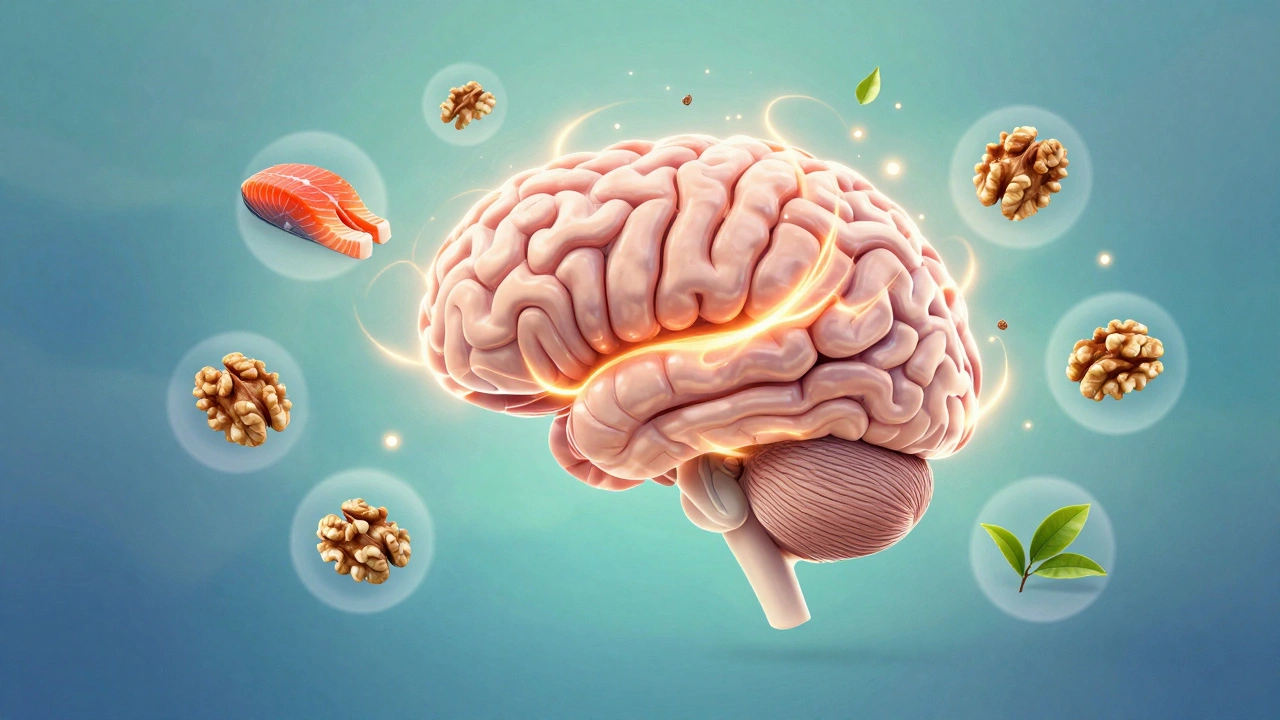
- Fatty Fish (Salmon, Mackerel, Sardines): These are packed with Omega-3 fatty acids, specifically DHA (docosahexaenoic acid). DHA is a primary structural component of the human brain. Studies suggest that adequate Omega-3 intake improves memory and reduces brain fog. Aim for two servings a week leading up to your exams.
- Blueberries (Rich in flavonoids): These little berries contain antioxidants called anthocyanins. Research indicates these compounds can improve blood flow to the brain and enhance synaptic plasticity-the ability of neurons to form new connections. This is crucial for learning new information quickly.
- Walnuts (High in Alpha-Linolenic Acid): Walnuts look like tiny brains for a reason. They are one of the best plant-based sources of ALA, a type of Omega-3. They also contain vitamin E, which protects brain cells from oxidative stress caused by anxiety and lack of sleep.
- Eggs (Source of Choline): The yolk contains choline, a nutrient your body uses to create acetylcholine, a neurotransmitter linked to improved mood, memory, and muscle control. Low levels of acetylcholine are associated with poor cognitive performance.
- Dark Chocolate (70% cocoa or higher): Yes, chocolate counts. Dark chocolate contains caffeine and theobromine, mild stimulants that boost alertness. It also has flavonoids that increase blood flow to the brain. Just keep portions small-one or two squares-to avoid sugar overload.
Hydration: The Overlooked Factor
You can eat the perfect diet, but if you are dehydrated, your brain will suffer. Even mild dehydration (loss of just 1-2% of body water) can impair attention, short-term memory, and psychomotor skills. For students, this translates to forgetting facts you studied last night or making silly calculation errors.
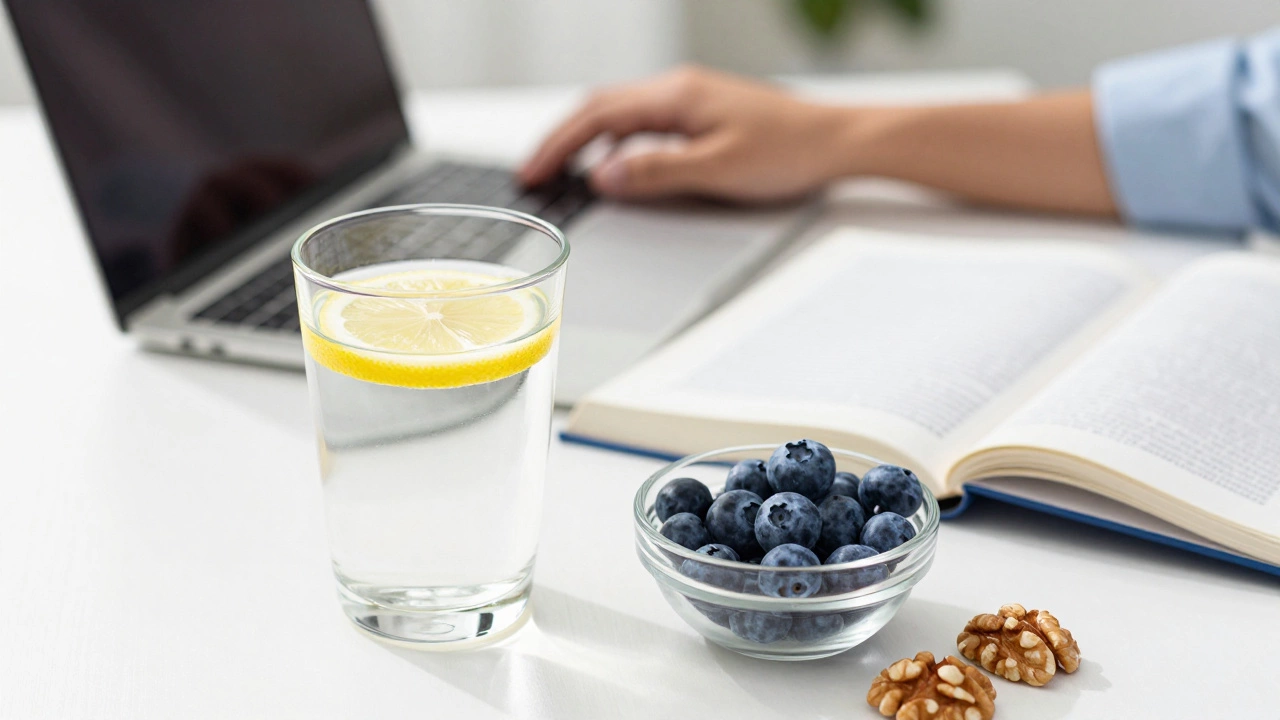
Water is the most effective hydrator. Keep a bottle on your desk while studying. If plain water bores you, add slices of lemon, cucumber, or mint. Avoid excessive caffeine. While coffee can sharpen focus temporarily, too much leads to jitters, anxiety, and a later crash. Stick to one or two cups a day, and always follow a cup of coffee with a glass of water.
| Snack Type | Energy Release | Focus Impact | Verdict |
|---|---|---|---|
| Candy Bar | Fast spike, rapid crash | Short burst, then fatigue | Avoid |
| Pasta/Pizza | Slow, heavy digestion | Drowsiness, "food coma" | Avoid before exam |
| Apple & Almonds | Steady, sustained | Consistent alertness | Recommended |
| Greek Yogurt | Moderate protein/fat | Calming, stabilizing | Recommended | d>
Timing Is Everything
What you eat matters less than when you eat it. Digestion takes energy. If you eat a massive meal right before an exam, your body diverts blood flow to your stomach to aid digestion. This leaves less blood-and oxygen-for your brain. The result is sluggish thinking.
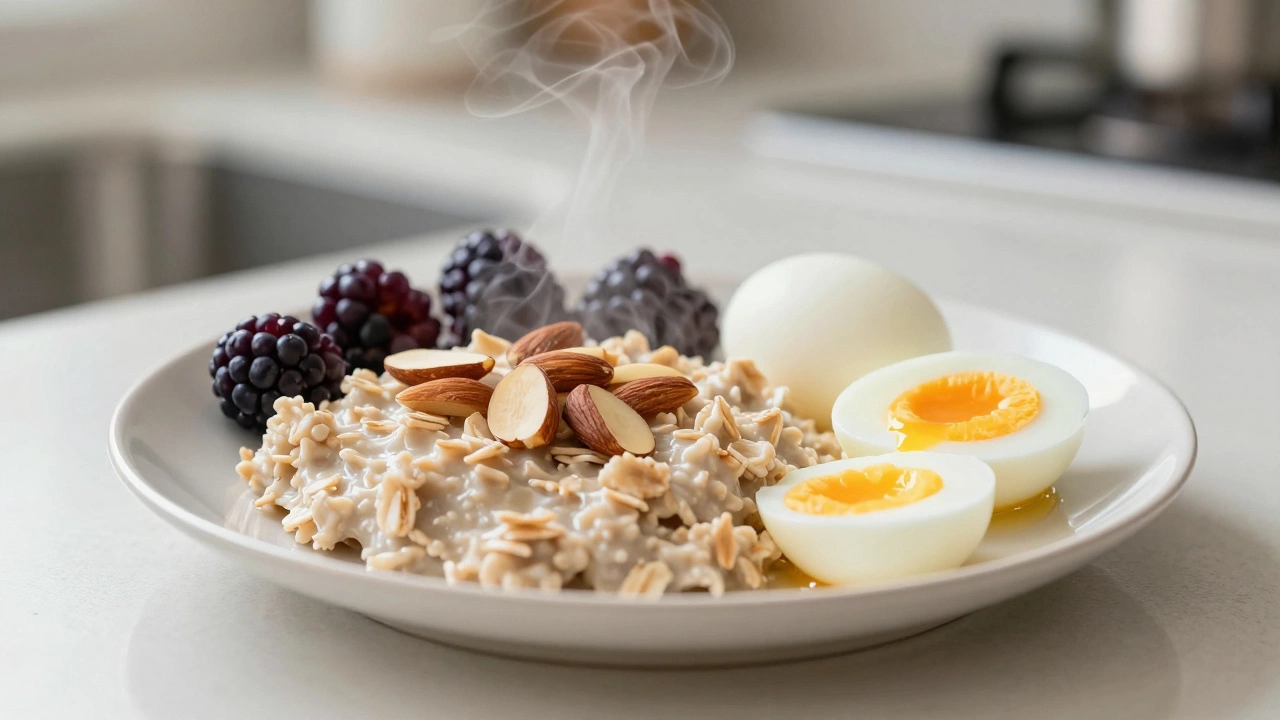
Plan your meals around your schedule. Breakfast is non-negotiable. After sleeping for eight hours, your brain’s glycogen stores are depleted. A breakfast rich in protein and complex carbs (like oatmeal with nuts or eggs on whole-grain toast) sets the tone for the day. Avoid skipping lunch. Instead, opt for a light, balanced meal that won’t weigh you down.
For snacks, think small and frequent. Eating every three to four hours keeps blood sugar stable. Pack portable options: trail mix, fruit, cheese sticks, or hummus with carrot sticks. Avoid eating anything new on exam day. Your gut might react unpredictably to unfamiliar foods, causing discomfort that distracts from the test.
Foods to Avoid During Revision
Just as some foods help, others hinder. Be ruthless about cutting out items that drain your energy. High-sugar foods cause inflammation and oxidative stress in the brain. Processed meats and fried foods are linked to poorer cognitive performance over time. Alcohol disrupts sleep architecture, preventing the deep REM sleep necessary for memory consolidation. If you drink, do so sparingly and never the night before an exam.
Also, watch out for hidden sugars in sauces, cereals, and even yogurt. Read labels. If sugar is listed in the top three ingredients, put it back. Your brain doesn’t need the extra load. It needs clarity.
Sleep and Nutrition Synergy
Nutrition and sleep work together. What you eat affects how well you sleep, and how well you sleep affects how your body processes food. Tryptophan, an amino acid found in turkey, milk, and nuts, helps produce melatonin, the sleep hormone. Eating a small snack with tryptophan an hour before bed can promote deeper sleep. Conversely, spicy or acidic foods close to bedtime can cause heartburn and disrupt rest.
Poor sleep increases cravings for high-calorie, high-fat foods. It’s a vicious cycle. Break it by prioritizing both good food and consistent sleep schedules. Seven to nine hours of quality sleep is as important as any textbook you read.
Practical Tips for Busy Students
We know life gets chaotic. Between classes, work, and social commitments, cooking elaborate meals isn’t always possible. Here are simple strategies to stay on track:
- Prep ahead: Wash and cut fruits and vegetables on Sunday. Store them in clear containers so they’re visible and easy to grab.
- Keep staples stocked: Always have oats, frozen berries, canned tuna, nuts, and whole-grain crackers in your pantry. These require minimal preparation.
- Smart vending machine choices: If you’re stuck in a library, choose nuts, yogurt, or fruit bars over chips and candy. Many machines now offer healthier options.
- Listen to your body: Hunger pangs distract you. Don’t wait until you’re starving to eat. Have a snack before hunger becomes intense.
Remember, this isn’t about perfection. It’s about progress. Swapping one sugary snack for a handful of almonds is a win. Drinking water instead of soda is a win. Small changes compound over time, leading to better focus, less stress, and ultimately, better grades.
Can caffeine really help with exam focus?
Yes, but in moderation. Caffeine blocks adenosine, a chemical that makes you feel tired. This can improve alertness and reaction time. However, too much caffeine causes anxiety, jitters, and a subsequent energy crash. Limit yourself to 200-400mg per day (about 2-4 cups of coffee) and avoid it within six hours of bedtime to protect your sleep quality.
What should I eat on the morning of an exam?
Choose a balanced breakfast with complex carbohydrates and protein. Oatmeal with berries and nuts, or eggs on whole-grain toast are excellent choices. Avoid heavy, greasy foods like bacon and sausage, which take longer to digest and may make you feel sluggish. Ensure you drink plenty of water upon waking to rehydrate your brain.
Are there any supplements that boost brain power?
While whole foods are superior, some supplements may help if you have deficiencies. Omega-3 fish oil can support memory if you don't eat fatty fish. Vitamin B12 is crucial for nerve health, especially for vegetarians or vegans. However, avoid unproven "smart pills." Most lack scientific backing and can have side effects. Always consult a doctor before starting any new supplement regimen.
How does hydration affect memory?
Dehydration shrinks brain tissue slightly and reduces blood volume, limiting oxygen delivery to neurons. This impairs short-term memory, attention, and problem-solving skills. Even mild dehydration can cause headaches and irritability, making it harder to concentrate. Drink water consistently throughout the day, not just when you're thirsty.
Is dark chocolate really good for studying?
Yes, dark chocolate with at least 70% cocoa content contains flavonoids that improve blood flow to the brain and enhance cognitive function. It also has small amounts of caffeine and theobromine, which provide a mild energy boost. However, it is still calorie-dense and contains sugar, so limit consumption to one or two squares to avoid negative effects.
Write a comment