
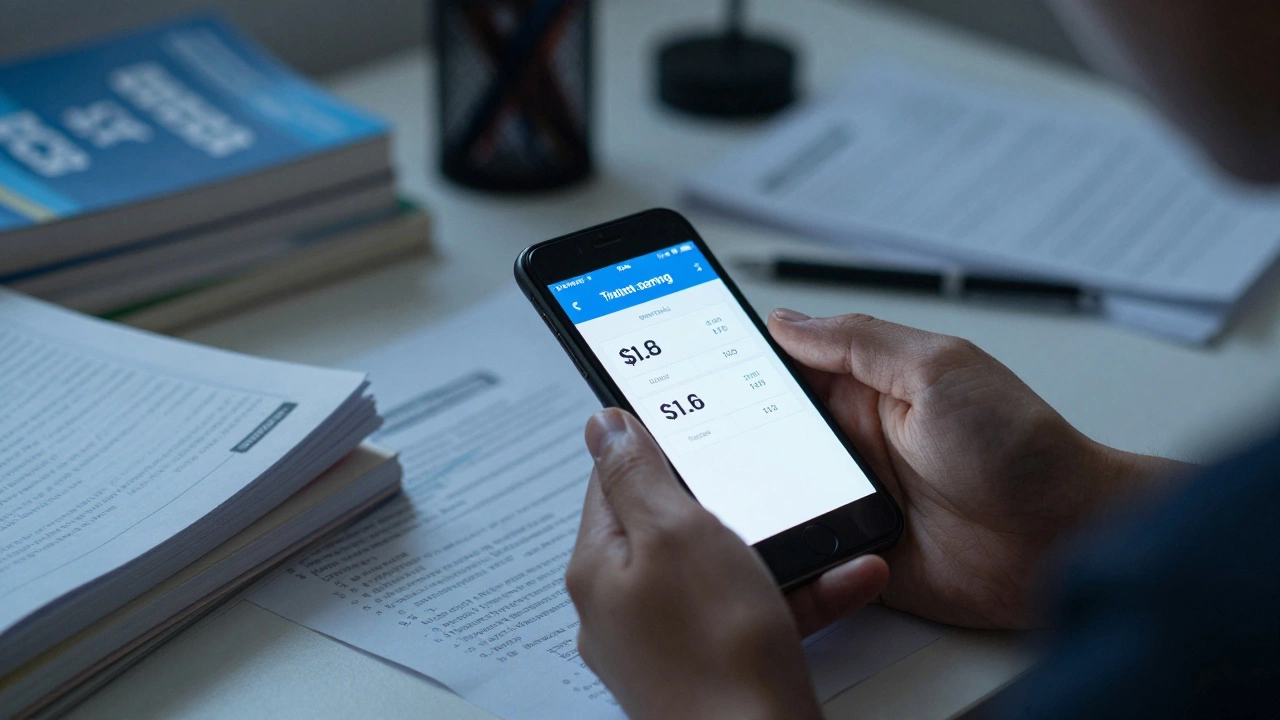
Tutoring ROI & Cost Calculator
Have you ever looked at a quote for private tutoring and felt that familiar pinch in your wallet? You see a rate of $80, $120, or even $200 an hour, and the immediate reaction is often disbelief. How can someone charge more per hour than a senior software engineer or a specialized lawyer for sitting in a room and talking?
Private tutoring is a personalized educational service where an instructor provides one-on-one or small group instruction tailored to a specific student's needs. It seems like a simple exchange of knowledge, yet the price tag suggests something far more complex is happening behind the scenes. The truth isn't about greed; it’s about the unique economic structure of the education market, the scarcity of high-quality supply, and the intense pressure placed on academic outcomes.
The Scarcity of High-Performance Supply
The first reason tutor rates are so high comes down to basic supply and demand, but with a twist. In most industries, if you want to lower prices, you increase the number of workers. In tutoring, the "workers"-the tutors-are often already employed elsewhere. Many top-tier tutors are current teachers, university professors, or subject-matter experts who tutor after hours or during summer breaks.
This creates a constrained supply. A brilliant physics teacher cannot simply clone herself to meet the surge in demand during exam season. Because these individuals are already in high-demand roles within the formal education system, their time outside of school is scarce. When supply is limited and demand spikes (usually before major exams like GCSEs, SATs, or university entrance tests), prices naturally rise.
Furthermore, not all tutors are created equal. Parents aren't just buying "help with math." They are buying confidence that their child will get into their desired university or pass a critical certification. This shifts the service from a commodity to a luxury good. Just as people pay a premium for a renowned surgeon over a general practitioner, families pay a premium for a tutor with a proven track record of raising grades by two letter bands. That reputation is built over years, making the effective hourly rate a reflection of accumulated expertise.
The Hidden Costs Beyond the Hourly Rate
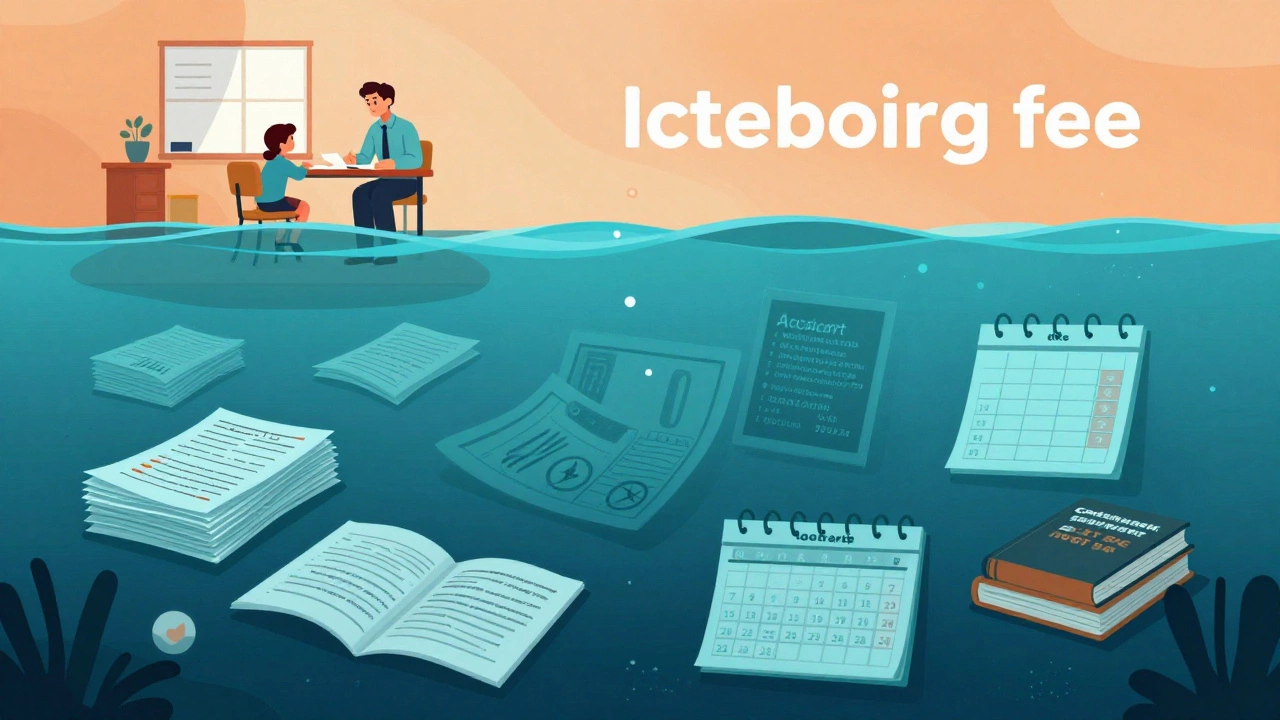
When you look at a tutor’s invoice, you see a single line item: "One hour of instruction." What you don’t see is the iceberg of work submerged beneath that surface. Effective tutoring is rarely just showing up and teaching. It involves significant unpaid labor that drives up the necessary hourly rate to ensure profitability.
- Customization: Unlike a classroom teacher following a standardized curriculum, a tutor must diagnose a student’s specific learning gaps. This requires creating bespoke lesson plans, worksheets, and practice problems. If a student struggles with quadratic equations, the tutor doesn't just open a textbook; they create targeted exercises based on that student’s error patterns.
- Administrative Overhead: Scheduling, invoicing, marketing, and client communication consume hours every week. A tutor might spend 10 hours finding clients and managing calendars for every 20 hours of actual teaching.
- Continuous Learning: Exam boards change specifications regularly. A tutor specializing in A-level Chemistry, for example, must constantly update their materials to align with new marking schemes and syllabus changes. This professional development costs money and time.
If a tutor charges $60 an hour but spends 30 minutes preparing for each session, their effective earning rate drops to $40 an hour. To maintain a livable income, especially when factoring in taxes, insurance, and platform fees (if using agencies), the quoted hourly rate must be significantly higher.
The Stakes Are Financially Life-Changing
We need to talk about what is actually being bought. In many countries, the outcome of a few exams determines a person’s entire career trajectory. In the UK, getting an A* versus a B in GCSE Mathematics can determine whether a student gets into a selective sixth form or a prestigious university program. In the US, SAT scores heavily influence scholarship eligibility and admission to Ivy League schools.
For parents, this is not an expense; it is an investment with a potentially massive return on investment (ROI). If paying $1,500 for three months of tutoring helps a child secure a scholarship worth $50,000, or gain entry to a university that leads to a starting salary $20,000 higher, the tutoring fee looks cheap by comparison.
This high-stakes environment allows tutors to command premium prices because the perceived value of the outcome far exceeds the cost of the service. It’s similar to hiring a personal trainer for a marathon versus someone who just wants to jog occasionally. The goal dictates the budget. When the goal is elite performance, the price ceiling rises dramatically.
Agency Fees vs. Independent Tutors
Where you find your tutor also plays a huge role in the price. There is a distinct difference between hiring through a large agency and booking an independent tutor directly.
| Factor | Agency Model | Independent Tutor |
|---|---|---|
| Hourly Rate to Client | $80 - $150+ | $40 - $90 |
| Tutor Take-Home | $20 - $40 (often 25-50%) | 100% (minus payment processing) |
| Vetting & Safety | Background checks handled by agency | Parent must verify credentials manually |
| Flexibility | Low (agency assigns tutor) | High (direct negotiation) |
| Marketing | Included in fee | Tutor handles own marketing |
Agencies act as middlemen. They handle the marketing, vetting, scheduling, and billing. In return, they take a substantial cut-sometimes up to 70% of the fee in some models, though typically around 30-50%. This markup explains why agency tutors often appear to charge exorbitant rates. The parent pays for the convenience and security of the brand, while the tutor receives a modest wage for their expertise.
Independent tutors, on the other hand, keep the full fee but bear the risk. If a student cancels last minute, the tutor loses that income entirely. There is no safety net. This risk factor is baked into their pricing strategy.
The Impact of Digital Platforms and Global Markets
The rise of online learning has added another layer to the pricing puzzle. Platforms like Wyzant, Preply, or local equivalents have globalized the market. On one hand, this competition should drive prices down. On the other, it has created new tiers of pricing based on geography and specialization.
A tutor in New Zealand charging $60 NZD might seem expensive locally, but if they offer sessions to students in Australia or Europe, the currency exchange and purchasing power parity can make them highly competitive. Conversely, a specialist in a niche field-such as IB Physics or advanced calculus-can charge global rates because there are fewer providers worldwide who can teach that specific content at an expert level.
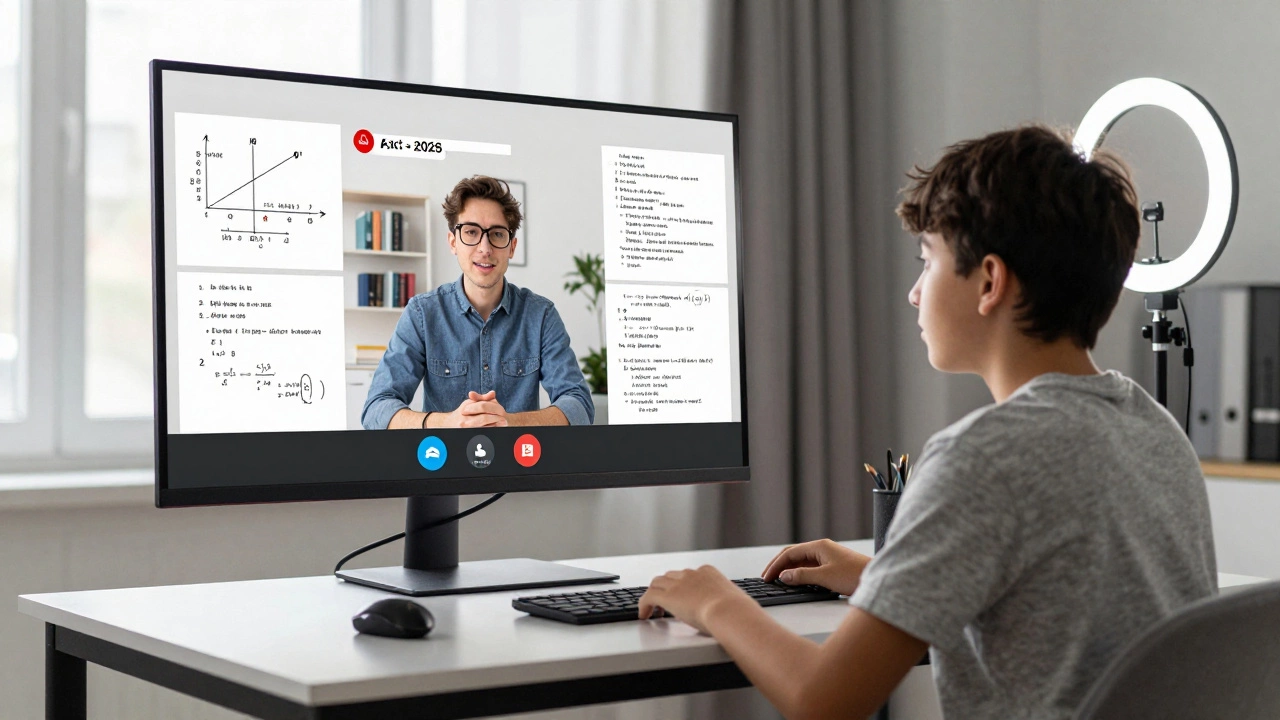
Additionally, the shift to online tutoring has reduced overhead for tutors (no travel time, no commuting costs), which theoretically should lower prices. However, many tutors have used these savings to invest in better technology, interactive whiteboards, and proprietary digital resources, maintaining their premium positioning rather than lowering their rates.
Special Needs and Specialized Support
Not all tutoring is standard academic reinforcement. A significant portion of the market involves Special Needs Education. Tutors who specialize in dyslexia, ADHD, or autism spectrum disorder require additional training, certifications, and patience. These skills are rare and highly valued.
Teaching a neurodivergent student often requires smaller steps, more repetition, and alternative teaching methods. The cognitive load on the tutor is higher, and the progress may be slower, meaning more hours are needed to achieve results. This intensity justifies higher hourly rates. Parents of children with special educational needs often face greater challenges in finding suitable support, further driving up the cost due to scarcity.
Is It Worth the Cost?
So, do tutors really deserve to be paid so much? From an economic standpoint, yes. They are providing a customized, high-stakes service with limited supply and significant hidden labor. However, that doesn't mean every high-priced tutor is delivering value.
As a consumer, you need to evaluate the ROI. Ask yourself:
- Does the tutor have verifiable success stories?
- Are they adapting to my child’s learning style?
- Is the improvement in grades or confidence measurable?
How much should I expect to pay for a private tutor?
Rates vary widely by location and subject. In major cities, expect to pay $50-$100 USD per hour for general subjects. Specialist subjects like music, languages, or advanced STEM fields can range from $80-$150+ per hour. University-level or test-prep tutors often charge the highest rates due to the specificity of their expertise.
Why are agency tutors more expensive than independent ones?
Agencies charge more because they cover marketing, vetting, scheduling, and administrative costs. They also provide a layer of accountability and replacement guarantees if a tutor is unavailable. Independent tutors charge less because they handle all logistics themselves and bear the financial risk of cancellations.
Do higher-paid tutors always deliver better results?
Not necessarily. While high rates often reflect experience and specialization, chemistry between the tutor and student is crucial. A moderately priced tutor who connects well with your child may yield better results than an expensive expert who lacks teaching rapport. Always request trial sessions or reviews.
Can I negotiate the hourly rate with a tutor?
Yes, especially with independent tutors. Negotiation is easier if you commit to multiple sessions per week, book long-term packages, or share sessions with a sibling or friend (group tutoring). Agencies are usually rigid on pricing, but independent tutors may offer discounts for consistent bookings.
What is the best way to find a qualified tutor?
Start by asking for referrals from teachers or other parents. Check verified review platforms and ensure the tutor has relevant qualifications or degrees in the subject area. For special needs, look for tutors with specific certifications in those areas. Always conduct an initial consultation to assess teaching style compatibility.
Write a comment