

Exam Day Meal Planner & Focus Checker
Instructions: Select the items you plan to consume 2-3 hours before your exam. We'll calculate your "Focus Score" and provide personalized advice based on the article's scientific guidelines.
Select Your Menu Items:
Your Focus Profile
0
Your brain is an energy hog. While it only makes up about 2% of your body weight, it consumes roughly 20% of your daily calories. Because it relies so heavily on a steady supply of glucose, the wrong fuel can trigger a biological rollercoaster that kills your concentration right when you need it most. The goal isn't just to be full; it's to maintain a steady state of alertness without the mid-test slump.
The Sugar Trap and the Dreaded Crash
It is a classic mistake to grab a handful of gummy bears or a sugary energy drink for a "quick boost" right before the doors open. While these provide an immediate spike in blood glucose, they come with a price. Refined Sugar is a processed carbohydrate that causes a rapid increase in blood sugar followed by a sharp drop.
When you flood your system with simple sugars, your pancreas pumps out insulin to manage the load. This often leads to reactive hypoglycemia-essentially a sugar crash. You'll feel a burst of energy for twenty minutes, but by the time you're halfway through the second section of your exam, you'll likely experience brain fog, irritability, and a sudden drop in cognitive speed. If you're looking for exam nutrition that actually works, swap the candy for complex carbohydrates like oatmeal or whole-grain toast, which release energy slowly over several hours.
The Heavy Meal Slump
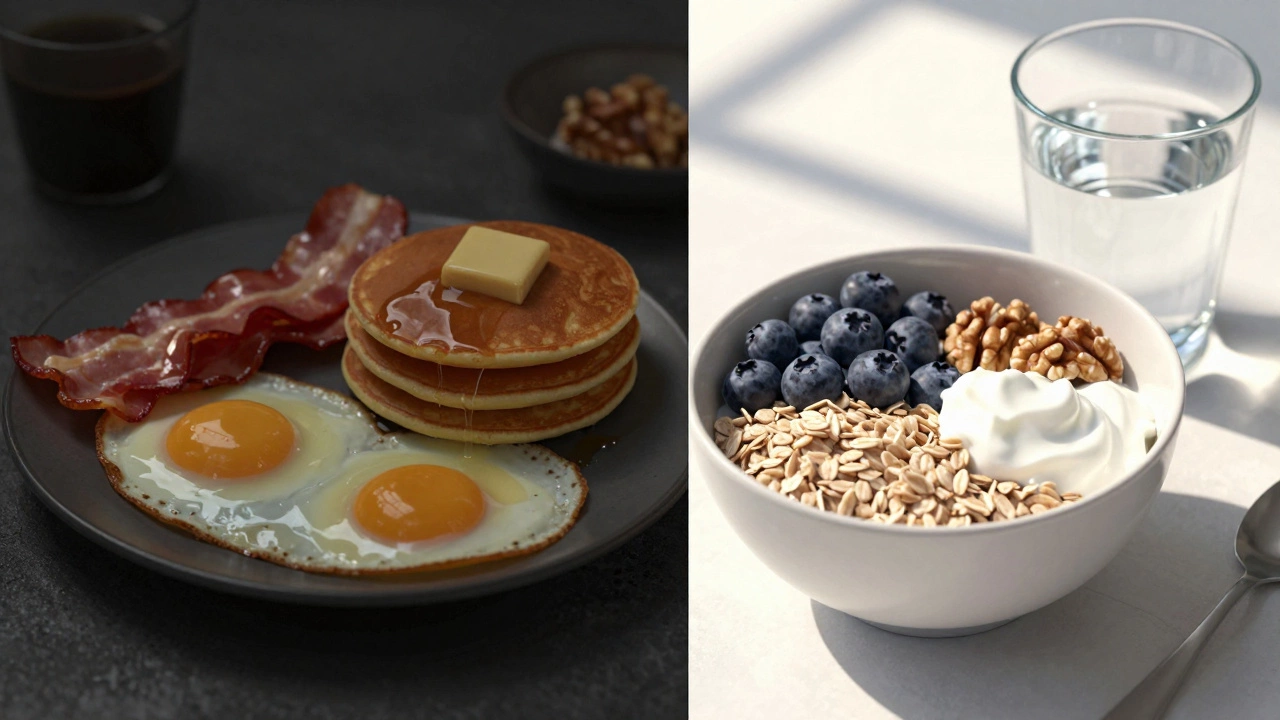
We've all been there: a big, comforting breakfast of greasy bacon, eggs, and buttery pancakes. While it tastes great, it's a recipe for disaster during a high-stakes test. Large, high-fat meals trigger something called postprandial somnolence, or more simply, a "food coma."
When you eat a heavy, fat-laden meal, your body diverts a massive amount of blood flow to the digestive system to break down the complex fats. This means there is literally less blood and oxygen moving toward your brain. You might find yourself rereading the same question four times without understanding it because your body is too busy dealing with that double-cheese omelet. Instead of a heavy feast, aim for a light meal that combines a protein and a healthy fat-think Greek yogurt with a few walnuts.
| Avoid (The Energy Killers) | Choose (The Brain Boosters) | Why? |
|---|---|---|
| Sugary Cereals / Donuts | Steel-cut Oats / Berries | Prevents insulin spikes and crashes |
| Fried Chicken / Heavy Burgers | Grilled Salmon / Turkey Slice | Reduces digestive lethargy |
| White Bread / Bagels | Rye Bread / Quinoa | Provides steady, long-term glucose |
| Energy Drinks / Soda | Water / Green Tea | Avoids jitters and dehydration |
The Caffeine Paradox: When More is Less
Coffee is the unofficial mascot of finals week, but on the actual day of the exam, it can be a double-edged sword. Caffeine is a central nervous system stimulant that blocks adenosine receptors in the brain to prevent sleepiness. For some, a moderate amount helps. For others, too much leads to a state of hyper-arousal.
If you overdo the espresso, you might enter a state of "jittery anxiety." This manifests as shaky hands, a racing heart, and a fragmented focus where your mind jumps from one thought to another without completing any of them. Even worse, caffeine is a diuretic. If you drink three large coffees before a three-hour exam, you'll likely spend a significant portion of your time thinking about the nearest restroom rather than the answer to question 12. If you need a lift, try Green Tea, which contains L-theanine, an amino acid that promotes relaxation and focus without the jagged edge of coffee.
Hidden Traps: New Foods and Dairy Risks
The golden rule of any high-pressure event-whether it's a marathon or a chemistry final-is: never try anything new on the day of the event. This includes that fancy new "superfood" smoothie or a protein bar you've never tasted before. Everyone's gut microbiome is different, and a new ingredient can lead to sudden bloating or an emergency trip to the bathroom.
Be particularly careful with dairy. While a glass of milk is fine for most, for others, it can cause subtle congestion or digestive distress. Some people find that heavy dairy products create a "mucoid" feeling in the throat or a slight cloudiness in their head. If you have any history of sensitivity to lactose, keep the cheese and cream far away from your pre-exam plate. Stick to foods your body knows and trusts.
The Danger of Fasting
On the flip side, some students believe that skipping breakfast entirely will keep them "sharp" or "hungry for success." This is a dangerous gamble. Your brain runs on glucose. When you fast, your blood sugar levels drop, which can lead to dizziness, headaches, and a significant decrease in your ability to perform complex mental tasks.
A study on adolescent cognitive performance showed that students who ate a balanced breakfast performed significantly better on memory recall and mathematical problem-solving than those who fasted. You don't need a feast, but you do need a foundation. A simple piece of fruit and a hard-boiled egg can be the difference between a B and an A if it prevents your brain from hitting a wall at the two-hour mark.
The Hydration Balance
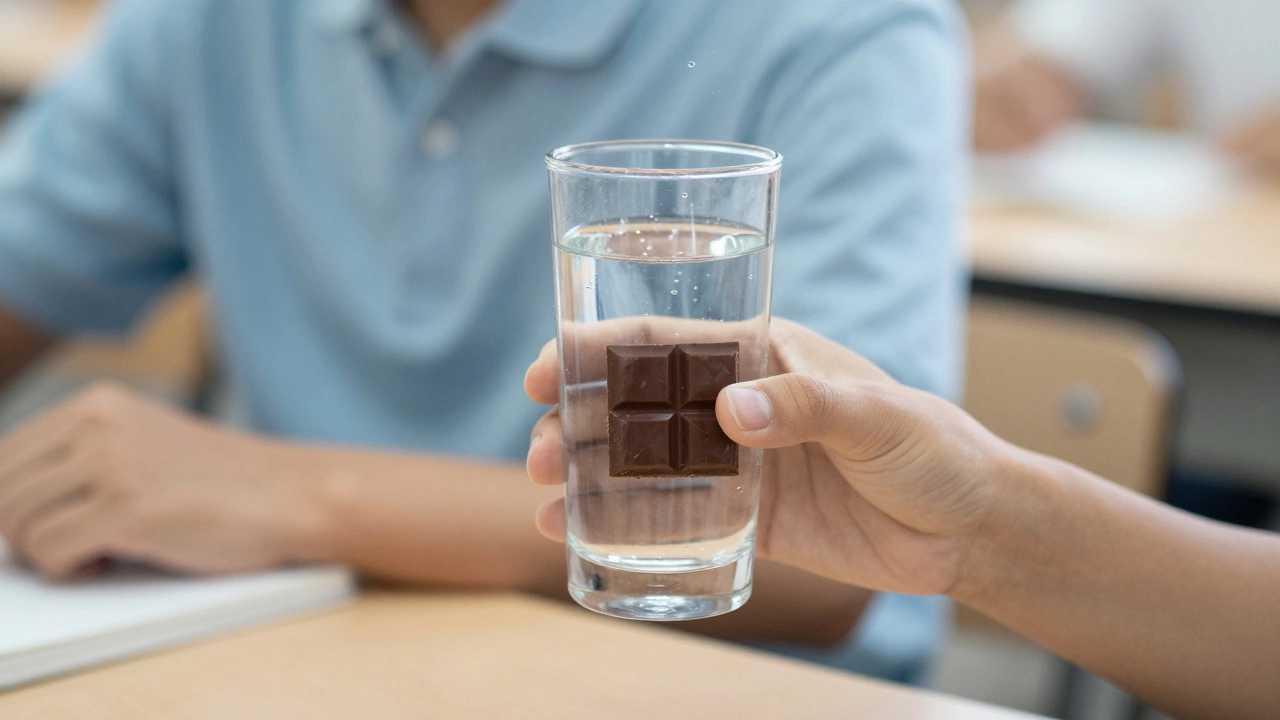
Water is the most overlooked nutrient for cognitive function. Even mild dehydration-as little as 1-2% loss of body water-can impair your short-term memory and attention span. However, there is a tipping point. Chugging a liter of water ten minutes before the exam starts is a mistake. Not only will you be distracted by a full bladder, but excessive water intake without electrolytes can lead to a slight imbalance that leaves you feeling sluggish.
The best approach is "sipping, not gulping." Drink consistently throughout the morning leading up to the test. If the exam allows a water bottle, keep it on your desk. The act of taking a sip of water during a difficult question can actually act as a mental "reset," giving you a few seconds to breathe and re-center your thoughts.
Can I eat chocolate before an exam?
In moderation, yes. Dark chocolate (70% cocoa or higher) contains flavonoids and a small amount of caffeine that can improve blood flow to the brain. However, avoid milk chocolate, which is packed with sugar and can lead to the crash mentioned earlier. A small square of dark chocolate is a great tool, but a whole bar will make you sluggish.
What is the absolute best thing to eat 2 hours before a test?
The ideal meal is a combination of complex carbs and lean protein. A great example would be a bowl of oatmeal topped with blueberries and a side of Greek yogurt or a hard-boiled egg. This provides a slow release of glucose for the brain and keeps you feeling full without making you sleepy.
Will an energy drink help me stay awake during a long exam?
Generally, no. While the caffeine might keep your eyes open, the massive sugar content in most energy drinks causes a crash that can occur mid-exam. Additionally, the high dose of stimulants can increase anxiety and heart rate, which interferes with your ability to concentrate on complex problems.
Is it okay to drink coffee on an empty stomach?
For many, coffee on an empty stomach triggers an overproduction of stomach acid and can spike cortisol levels. This can lead to "the jitters" or a nervous stomach, which is the last thing you want during a test. It's always better to have at least a small amount of food before your caffeine hit.
What if I forget to eat and feel a crash during the exam?
If you're allowed a snack or water, a few sips of water and a small piece of fruit (like a banana) can provide a gentle lift. If you aren't allowed food, try a few deep breathing exercises to increase oxygen flow to the brain, which can temporarily help with alertness until you finish.
What to Do Next
If your exam is tomorrow, don't panic and try to change your entire diet today. Instead, focus on hydration and a standard, healthy dinner. For those who struggle with anxiety, avoiding heavy spices or overly acidic foods tonight can prevent heartburn and disrupted sleep, ensuring you wake up feeling refreshed.
For future tests, treat your "Exam Day Menu" like a part of your study plan. Experiment during your practice exams-see how you feel after a piece of fruit versus a bagel. Finding your personal "power meal" is just as important as memorizing the material, because the best knowledge in the world is useless if your brain is too tired to retrieve it.
Write a comment