
Pre-Exam Fuel Calculator
Your brain needs steady glucose, not spikes. Use this tool to determine what to eat and when, based on how long until your exam starts and its duration.
Quick Reference:
- Best
- Avoid
Enter your exam details on the left to generate a personalized nutrition plan for peak brain performance.
You’ve spent weeks studying. You know the material inside out. But when you sit down for that final exam, your brain feels like it’s running on fumes. Why does this happen? Often, it’s not a lack of knowledge-it’s a lack of fuel. Your brain consumes about 20% of your body’s total energy despite being only 2% of your weight. If you show up to an exam with low blood sugar or a stomach full of heavy, sluggish-inducing junk, you are sabotaging your own recall.
So, what is the best thing to eat before an exam? There isn’t one magic snack. The right choice depends on how long the exam lasts, your personal tolerance for certain foods, and whether you’re eating hours before or just minutes before you start. Let’s break down exactly what fuels peak cognitive performance so you can walk into that testing room feeling sharp, not shaky.
The Brain’s Fuel Source: Glucose and Stability
Your brain runs primarily on glucose. It doesn’t store much of it, so it needs a steady supply from your bloodstream. When you eat simple sugars-like candy bars or sugary sodas-you get a rapid spike in blood glucose. This gives you a quick burst of energy, but it’s followed by a crash. That crash leads to brain fog, irritability, and difficulty concentrating right when you need focus most.
The goal is stable blood sugar. You want complex carbohydrates that release glucose slowly over time. Think whole grains, fruits, and vegetables rather than refined flour or processed sweets. Pairing these carbs with protein or healthy fats slows digestion further, keeping your energy levels even throughout a two- or three-hour test.
The Pre-Exam Meal: Timing Matters
If you have three hours before your exam, you should eat a balanced meal. This isn’t the time to experiment with new recipes. Stick to foods you know your body handles well. A good pre-exam meal includes lean protein, complex carbs, and a small amount of healthy fat.
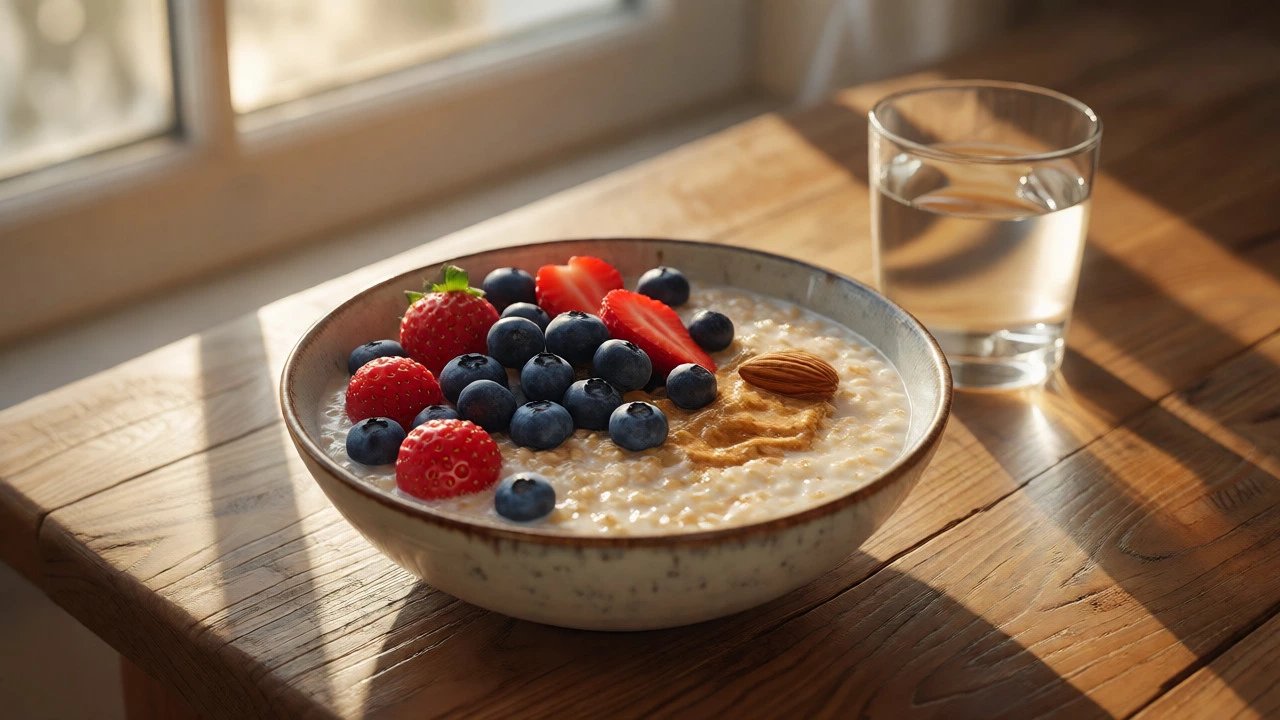
Consider a bowl of oatmeal topped with berries and a spoonful of almond butter. Oats provide slow-burning fuel. Berries contain antioxidants that may help protect brain cells from stress. Almond butter adds satiety without making you feel overly full. Alternatively, scrambled eggs with whole-wheat toast offer high-quality protein and choline, a nutrient linked to memory function.
Avoid heavy, greasy foods like burgers or fried chicken. Digestion requires significant blood flow. If your body is diverting all its resources to breaking down a massive steak, less blood is available for your brain. You might also experience acid reflux or bloating, which is distracting when you’re trying to solve calculus problems.
Snacking During Long Exams
Not all exams allow breaks. However, many standardized tests or university finals permit snacks during short intermissions. What you choose here is critical. You don’t want to leave crumbs on your desk, and you don’t want to spend ten minutes unwrapping something complicated.
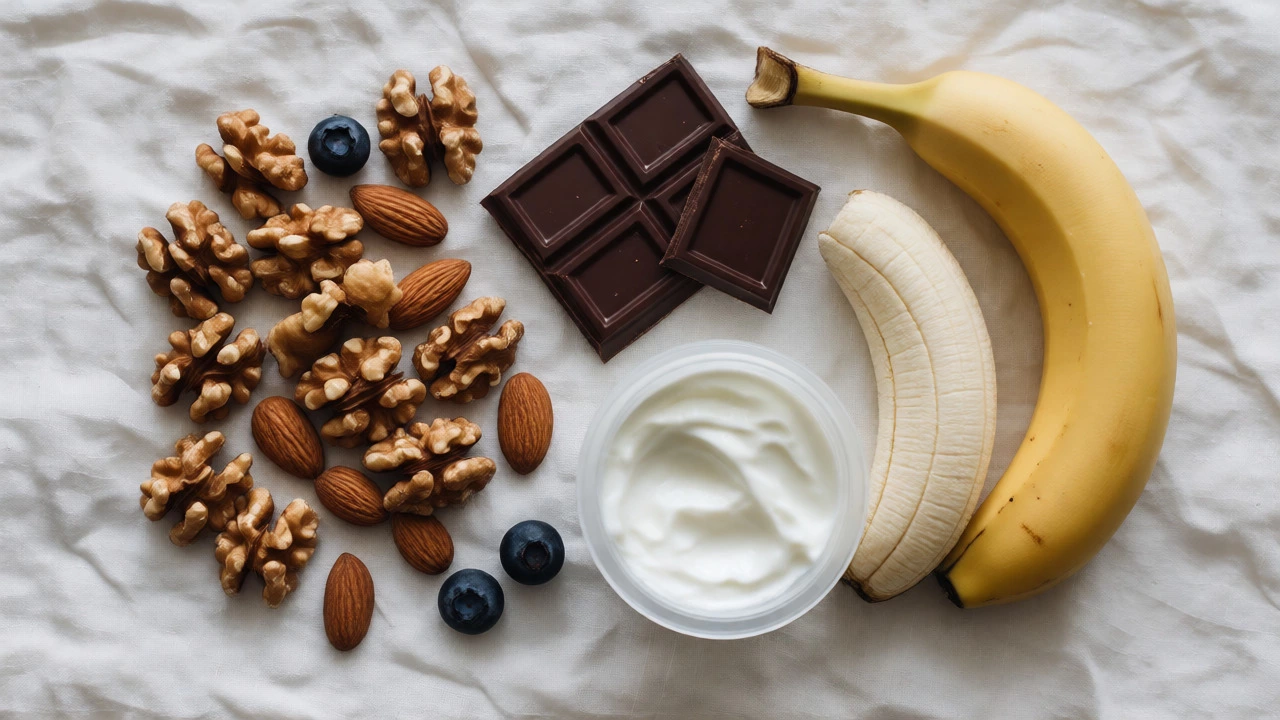
Dark chocolate is a top contender. It contains caffeine and theobromine, mild stimulants that improve alertness. More importantly, it’s rich in flavonoids, compounds shown to increase blood flow to the brain. Just keep it moderate-a few squares are enough. Too much sugar from milk chocolate can still cause a crash.
Nuts are another excellent option. Walnuts, almonds, or cashews provide healthy fats and protein. They are portable, non-perishable, and satisfying. Bananas are also great because they are easy to peel, mess-free, and packed with potassium and vitamin B6, which support nerve function.
| Food Item | Benefit | Potential Drawback | Best For |
|---|---|---|---|
| Oatmeal | Sustained energy, high fiber | Takes time to prepare; may cause bloating if eaten too late | 3+ hours before exam |
| Banana | Quick energy, potassium, easy to eat | Simple sugars may lead to slight dip later | 1 hour before or during break |
| Dark Chocolate | Flavonoids for blood flow, mild caffeine | Caffeine sensitivity varies; high calorie | During exam breaks |
| Nuts (Almonds/Walnuts) | Healthy fats, protein, satiating | High calorie; potential allergen issues | During exam breaks |
| Greek Yogurt | Protein, probiotics for gut-brain axis | Dairy may cause discomfort for some | 2-3 hours before exam |
Hydration: The Forgotten Nutrient
Even mild dehydration impairs cognitive performance. Studies suggest that losing just 1-2% of body water can reduce concentration and short-term memory. You don’t need to drink a gallon before walking in-that will just make you need the bathroom. Aim for consistent hydration in the day leading up to the exam and sip water moderately beforehand.
Water is the best choice. Avoid excessive caffeine. While a cup of coffee can boost alertness, too much causes jitteriness and anxiety, which mimics the physical symptoms of panic. If you’re already nervous, skip the extra espresso. Green tea is a gentler alternative; it contains L-theanine, an amino acid that promotes relaxation without drowsiness, balancing out the caffeine kick.
Foods to Avoid Before an Exam
Just as important as what you eat is what you don’t eat. Certain foods trigger digestive distress or energy crashes that can derail your focus.
- High-sugar pastries: Donuts and muffins give you a sugar high followed by a crash. You’ll be fighting sleepiness halfway through the test.
- Heavy dairy products: Cheese pizza or cream sauces can sit heavy in the stomach. If you’re lactose sensitive, this is a guaranteed disaster.
- New foods: Never try a new supplement bar or exotic fruit on exam day. If it disagrees with your stomach, you won’t have time to recover.
- Excessive salt: Salty chips can dehydrate you and raise blood pressure, increasing feelings of stress.
The Gut-Brain Connection
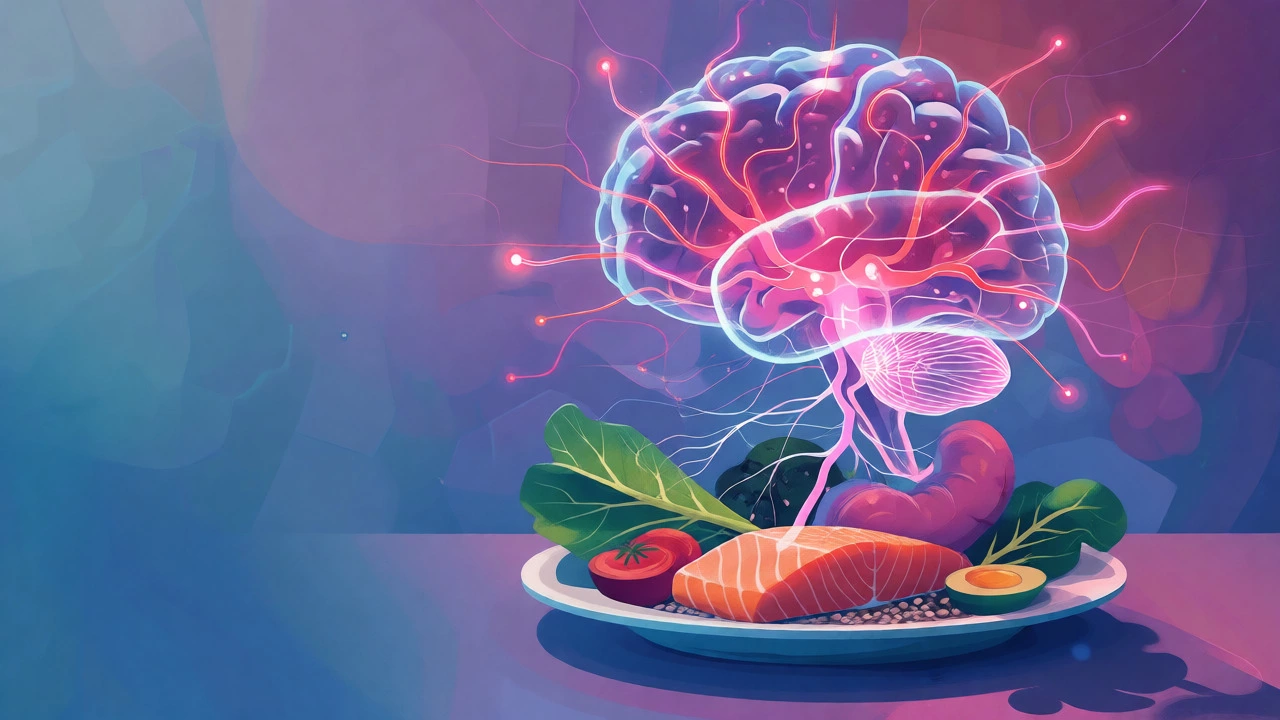
We often think of the brain as separate from the rest of the body, but the gut and brain are intimately connected via the vagus nerve. This is known as the gut-brain axis. Stress hormones released during exam prep can alter gut bacteria, which in turn affects mood and cognition. Eating fermented foods like yogurt or kefir in the days leading up to the exam can support a healthy microbiome, potentially reducing anxiety-related digestive issues.
Omega-3 fatty acids are also crucial for long-term brain health. Found in fish like salmon and walnuts, they build cell membranes in the brain. While eating a piece of salmon the night before won’t instantly double your IQ, maintaining adequate omega-3 intake supports overall neural efficiency.
Personalizing Your Strategy
There is no universal "best" food because everyone metabolizes nutrients differently. The key is preparation. Test your pre-exam meal strategy during practice tests or mock exams. If you find that bananas make you feel energetic and focused, stick with them. If nuts make you thirsty, swap them for apple slices with peanut butter.
Listen to your body. Hunger distracts you, but fullness also distracts you. Find the balance where you feel satisfied but light. For most people, a small meal two hours before the exam, followed by a tiny snack 30 minutes prior, works best.
Key Takeaways
- Eat complex carbohydrates and protein 2-3 hours before the exam for sustained energy.
- Avoid high-sugar and high-fat foods that cause energy crashes or digestive heaviness.
- Stay hydrated with water, but avoid over-drinking to prevent bathroom breaks.
- Use dark chocolate or nuts for quick, effective snacking during breaks.
- Never try new foods on exam day; stick to what you know agrees with you.
Should I eat breakfast before a morning exam?
Yes, absolutely. Skipping breakfast leaves your brain without glucose after overnight fasting. Even a small portion of yogurt with fruit or a hard-boiled egg is better than nothing. Low blood sugar significantly impacts attention span and memory retrieval.
Is coffee good before an exam?
It depends on your tolerance. If you regularly drink coffee, sticking to your normal amount is fine. If you rarely drink it, avoid it. Caffeine can increase anxiety and heart rate, which may exacerbate exam nerves. Green tea is often a safer bet for calm alertness.
What if I’m too nervous to eat?
Anxiety suppresses appetite. In this case, focus on liquid calories or easy-to-digest foods. A smoothie with banana, spinach, and protein powder can provide nutrients without requiring chewing or heavy digestion. Sipping broth or eating a few crackers can also settle a nervous stomach while providing some fuel.
Do supplements help with exam performance?
Most evidence supports getting nutrients from whole foods rather than pills. Supplements like omega-3s or magnesium may help long-term, but taking them immediately before an exam rarely yields immediate results. Rely on real food for immediate energy and clarity.
How soon before the exam should I stop eating?
Finish any substantial meal at least 90 minutes to 2 hours before the start time. This allows digestion to begin and prevents discomfort. Small snacks like a handful of nuts or a piece of fruit can be consumed 15-30 minutes before if allowed, but avoid anything that requires messy handling.
Write a comment