
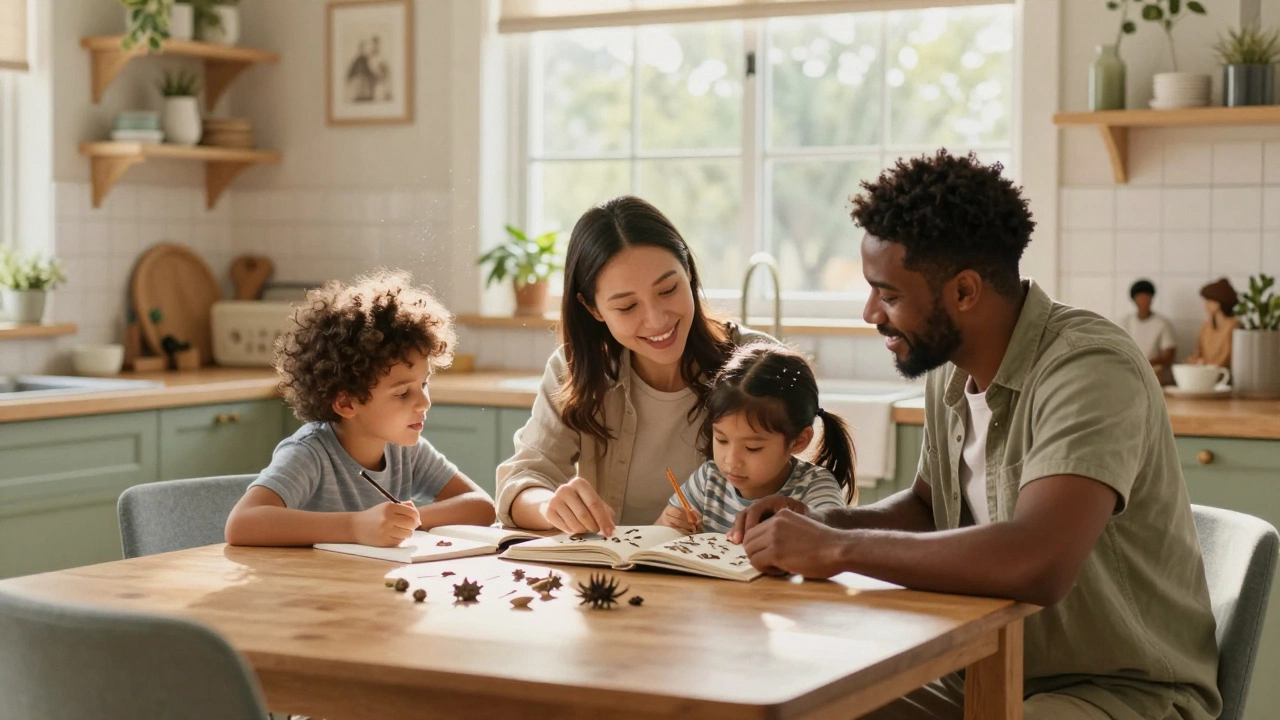
Homeschooling Social & Mental Health Readiness Check
Psychological research suggests that successful homeschooling depends heavily on intentionality in socialization and the mental well-being of the parent. Use this tool to assess your current setup based on key factors identified by developmental psychologists.
There is a persistent myth that children who learn at home grow up isolated, anxious, or socially awkward. If you ask someone on the street about homeschooling, they might picture a child sitting alone in a basement with no friends. But when you look at what psychologists and developmental researchers actually say, the picture changes completely. The data suggests that for many families, keeping education under one roof can support emotional resilience, stronger family bonds, and even better social skills than traditional schooling.
However, it isn't a magic bullet. Psychology doesn't offer a simple "yes" or "no" verdict. Instead, experts look at specific factors: how much social interaction the child gets, the teaching style of the parent, and the individual temperament of the student. Let’s break down what the science says about the mind of the homeschooled child.
Social Development: Debunking the Isolation Myth
The biggest worry parents have-and the biggest criticism from skeptics-is whether homeschooled kids can handle real-world social interactions. Early studies in the 1990s hinted at some social deficits, but modern research paints a different story. A comprehensive meta-analysis published in the Journal of Educational Psychology found that homeschooled students often score higher on measures of social adjustment than their public school peers.
Why? Because "school" is not the only place where socialization happens. In fact, psychologists argue that traditional schools sometimes limit social growth by forcing children to interact primarily with peers of the exact same age. This creates a narrow social bubble. At home, children often interact with people of all ages-grandparents, neighbors, younger siblings, and community members. This multi-age interaction teaches empathy and communication skills that are harder to learn in a grade-segregated classroom.
| Factor | Traditional School | Homeschooling |
|---|---|---|
| Peer Age Range | Narrow (same grade level) | Broad (all ages in community) |
| Conflict Resolution | Teacher-mediated | Parent-guided or self-managed |
| Social Pressure | High (peer conformity) | Low (individual pace) |
| Interaction Frequency | Constant, mandatory | Structured, intentional |
Psychologists emphasize that quality matters more than quantity. A homeschooled child who attends co-ops, sports teams, and local clubs develops robust social networks. The key is intentionality. Parents must actively create these opportunities; otherwise, isolation can become a real risk.
Mental Health and Emotional Well-being
When we talk about mental health, anxiety and depression are the two big concerns for adolescents today. Interestingly, several studies suggest that homeschooled teens report lower levels of anxiety compared to their schooled counterparts. One reason is the reduction of chronic stressors found in schools: bullying, rigid schedules, and high-stakes testing pressure.
In a traditional classroom, a child might spend hours waiting for instructions, dealing with disruptive peers, or feeling inadequate because they learn slower or faster than the group. At home, the learning environment is controlled. This control can be empowering. When a child feels safe and understood, their brain is more open to learning and less likely to trigger fight-or-flight responses associated with stress.
However, there is a caveat. If a parent uses homeschooling as an escape from social challenges rather than a pedagogical choice, the child may develop avoidance behaviors. Psychologists warn against using home education to shelter children from necessary discomforts. Resilience is built by facing small challenges, not avoiding them entirely. The best outcomes occur when parents balance comfort with exposure to the wider world.
Academic Confidence and Self-Esteem
Self-esteem in children is closely tied to their sense of competence. In large classrooms, average students often feel invisible. Struggling students feel labeled. Gifted students feel bored. Homeschooling allows for personalized pacing, which directly impacts how a child views their own intelligence.
Research indicates that homeschooled students often have higher self-concepts regarding academics. Why? Because they are rarely forced to sit through lessons they already know or struggle silently through concepts they haven't mastered yet. When a child masters a subject at their own speed, they build genuine confidence. This isn't just "praise"; it's evidence-based self-assurance.
This confidence extends beyond grades. Homeschooled children often exhibit higher levels of intrinsic motivation. They learn because they want to understand, not just to get an A. Psychologists call this "autonomous motivation," and it is a strong predictor of long-term success and happiness.
The Role of Parental Mental Health
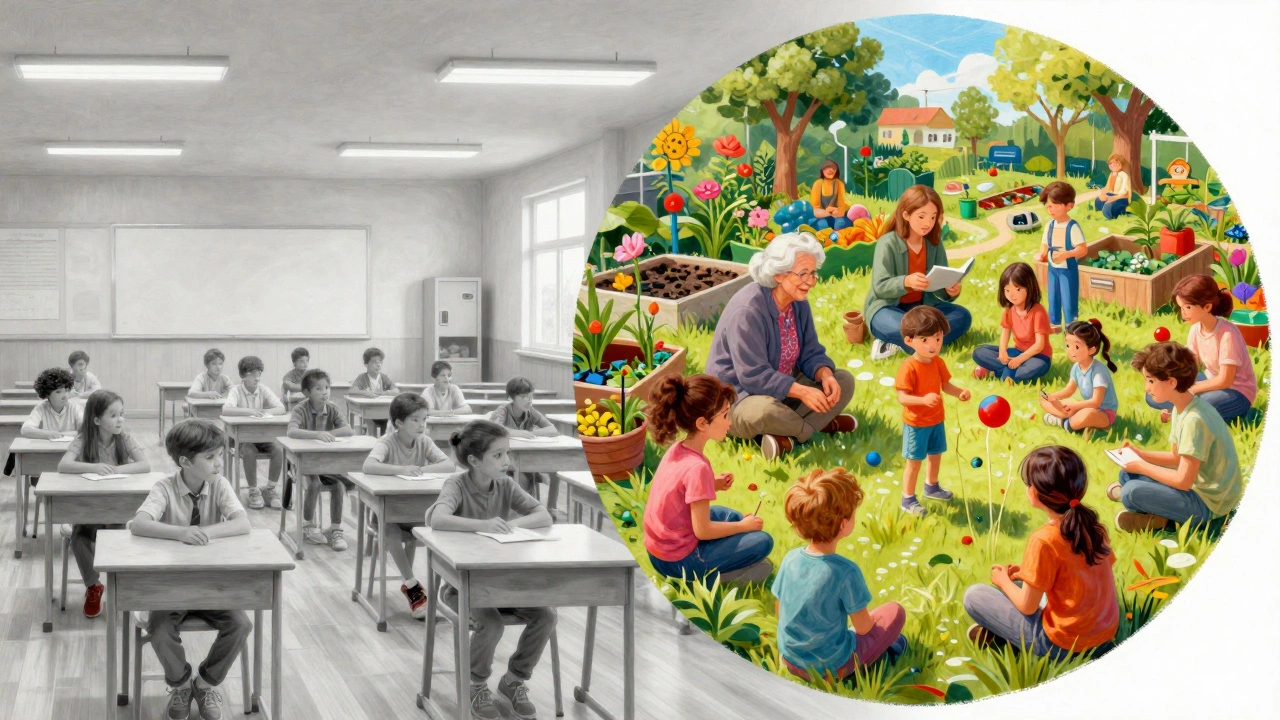
We cannot talk about the psychology of homeschooling without talking about the parent. The mental state of the educator is the foundation of the home learning environment. Studies show that parental burnout is a significant risk factor in homeschooling failure.
If a parent is stressed, anxious, or depressed, that energy transfers to the child. Children are highly attuned to emotional cues. A tense home atmosphere can undermine the benefits of individualized instruction. Successful homeschooling requires parents to have strong emotional regulation skills and a support network outside the home.
Experts recommend that parents treat their role as educators with professional boundaries. This means taking breaks, joining support groups, and acknowledging when they need help. The goal is not perfection; it is sustainability. A happy, balanced parent creates a secure base for the child to explore the world.
Autism, ADHD, and Special Needs
For children with neurodivergent conditions like Autism Spectrum Disorder (ASD) or Attention Deficit Hyperactivity Disorder (ADHD), traditional schools can be overwhelming. Sensory overload, rigid routines, and social misunderstandings can lead to meltdowns and withdrawal. For these families, homeschooling is often a lifeline.
Psychologists note that homeschooled children with special needs often show improved behavioral outcomes. At home, the environment can be tailored to reduce sensory triggers. Lessons can be broken into smaller chunks. Social interactions can be guided and supported. This customization allows the child to focus on learning rather than coping with environmental stressors.
However, specialized support is still crucial. Parents should collaborate with therapists, speech pathologists, and other professionals. Homeschooling does not replace therapy; it complements it by providing a consistent, low-stress backdrop for intervention strategies to work.
Long-Term Outcomes: Adulthood and Career
Do homeschooled kids make it in the real world? Longitudinal studies tracking homeschooled individuals into adulthood provide reassuring answers. Data shows that homeschooled adults are more likely to vote, volunteer, and pursue higher education than the general population. They also report higher satisfaction with their careers and relationships.
One study published in Review of Educational Research followed thousands of homeschooled students over twenty years. It found no significant differences in civic engagement or social adjustment between homeschooled and publicly schooled adults. In fact, homeschooled participants scored slightly higher on measures of life satisfaction.
This suggests that the fears of long-term social maladjustment are largely unfounded. As long as the homeschooling experience included adequate social exposure and academic rigor, the transition to adulthood is smooth. These individuals often bring unique strengths to the workplace, such as independence, self-direction, and strong communication skills.
Key Takeaways for Parents
- Socialize Intentionally: Don't wait for friends to come to you. Join clubs, sports, and co-ops to ensure diverse social contact.
- Monitor Stress Levels: Watch for signs of parental burnout. Your mental health directly impacts your child's learning environment.
- Encourage Independence: Avoid micromanaging every minute. Give children space to make choices and solve problems.
- Seek Professional Support: For children with special needs, integrate homeschooling with therapeutic interventions.
- Focus on Quality, Not Quantity: Meaningful interactions with a few people are better than superficial contact with many.
Is homeschooling bad for social development?
No, current psychological research does not support the idea that homeschooling harms social development. In fact, many studies show that homeschooled children develop strong social skills through diverse, multi-age interactions in community settings. The key is ensuring regular, structured social opportunities outside the home.
Do homeschooled children have better mental health?
Many homeschooled children report lower levels of anxiety and stress compared to public school students, largely due to reduced exposure to bullying and peer pressure. However, outcomes depend heavily on the home environment and the presence of supportive social networks.
How does homeschooling affect self-esteem?
Homeschooling can boost self-esteem by allowing children to learn at their own pace, reducing feelings of inadequacy. Personalized instruction helps children master subjects confidently, leading to higher intrinsic motivation and a positive self-concept.
Is homeschooling good for children with ADHD or Autism?
Yes, for many neurodivergent children, homeschooling provides a safer, less overwhelming environment. It allows for customized sensory adjustments and flexible pacing, which can significantly improve behavioral outcomes and learning engagement when combined with professional therapeutic support.
What do psychologists say about parental burnout in homeschooling?
Psychologists identify parental burnout as a major risk factor. High stress in parents can negatively impact the child's emotional well-being. Experts recommend maintaining boundaries, seeking support groups, and prioritizing parental mental health to ensure a sustainable and positive homeschooling experience.
Write a comment