

Select the statement that best describes your current situation:
I failed a course or missed critical credits for graduation.
I want to learn a new skill or get ahead for next year.
I want to experience college life or earn university credits.
Recommended Path
Quick Takeaways: What You Need to Know
- Remedial: For students who failed a course and need to pass to move to the next grade.
- Enrichment: For students wanting to learn new skills or get a head start on next year.
- Credit Recovery: Common in high school to ensure graduation requirements are met.
- Format: Can be in-person, online, or a hybrid of both.
- Duration: Usually lasts from three to eight weeks.
The Different Types of Summer Programs
Not all summer schools are created equal. If you're a parent or an international student looking at the US system, you'll notice a big split between "required" and "optional" programs. First, there is remedial summer school. This is the most common image people have. If a student fails a core subject like Algebra I or English 10, the school district requires them to attend a short, intensive course. The goal here is simple: master the missing skills so the student doesn't fall further behind. For example, a student who struggled with fractions in 4th grade might spend three weeks in a targeted math camp to ensure they can handle 5th-grade decimals. Then, we have Credit Recovery, which is a specific beast found in High School. In the US, students must earn a certain number of credits to graduate. If they fail a semester-long course, they lose those credits. Credit recovery programs allow them to take a condensed version of that class over the summer to get those credits back. Often, these are computer-based modules where students work at their own pace with a teacher acting as a facilitator. Finally, there's academic enrichment. These are the "fancy" summer schools. Think of these as specialized camps. A high schooler might attend a two-week program at a university to study astrophysics or creative writing. These aren't about passing a grade; they're about building a resume for college applications or exploring a passion.How Summer School Actually Works
If you're wondering about the logistics, it's a bit different from the regular school year. A typical academic year lasts about 180 days. A summer course compresses several months of material into a few weeks. This means the pace is grueling. A student might cover a whole semester of Biology in just 25 days. Most programs are hosted by the Local Education Agency (LEA), which is usually the city or county school district. However, since the rise of digital learning, many students now use online platforms. This allows a student in rural Montana to take a specialized course from a provider in California.| Feature | Remedial/Credit Recovery | Academic Enrichment | University Pre-College |
|---|---|---|---|
| Primary Goal | Passing a failed grade | Skill expansion | College prep/Experience |
| Cost | Usually free (Public) | Variable | Often expensive (Tuition-based) |
| Attendance | Mandatory/Required | Optional | Competitive Application |
| Outcome | Passing Grade/Credit | Certificate/Knowledge | College Credit/Portfolio |

The Role of Community Colleges and Universities
For older teens, summer school often moves beyond the high school walls. Many US states have a "Dual Enrollment" system. This is where a high school junior or senior takes a class at a Community College during the summer. Why do this? Because it's a win-win. The student gets a college-level credit that will transfer to a four-year university, and they get it out of the way while they don't have the stress of a full high school schedule. For instance, a student might take Psychology 101 in July. By the time August hits, they've already earned three college credits, potentially saving thousands of dollars in future tuition. Universities also host "Pre-College Programs." These are highly curated experiences. Imagine a high school student spending July on the campus of Harvard or Stanford, living in the dorms and taking a course on International Relations. These programs are less about the grade and more about the "college experience" and networking.Common Pitfalls and Challenges
It's not all sunshine and textbooks. Summer school comes with some real challenges. The biggest is "summer slide," which is the tendency for students to lose some of the achievement gains they made during the previous school year. While summer school is designed to fix this, the condensed nature of the courses can sometimes lead to surface-level learning. A student might pass the test for credit recovery but still lack a deep understanding of the material because they rushed through the modules. There's also the psychological toll. For a kid who has been told they "have to" go to summer school, it can feel like a stigma. They watch their friends go to the pool while they're studying quadratic equations. Teachers often have to spend the first week just managing the frustration and boredom of students who don't want to be there. Another issue is accessibility. While public remedial programs are free, the high-end enrichment programs can cost thousands of dollars. This creates a gap where wealthy students use the summer to build an impressive academic portfolio, while lower-income students use it primarily for basic catch-up.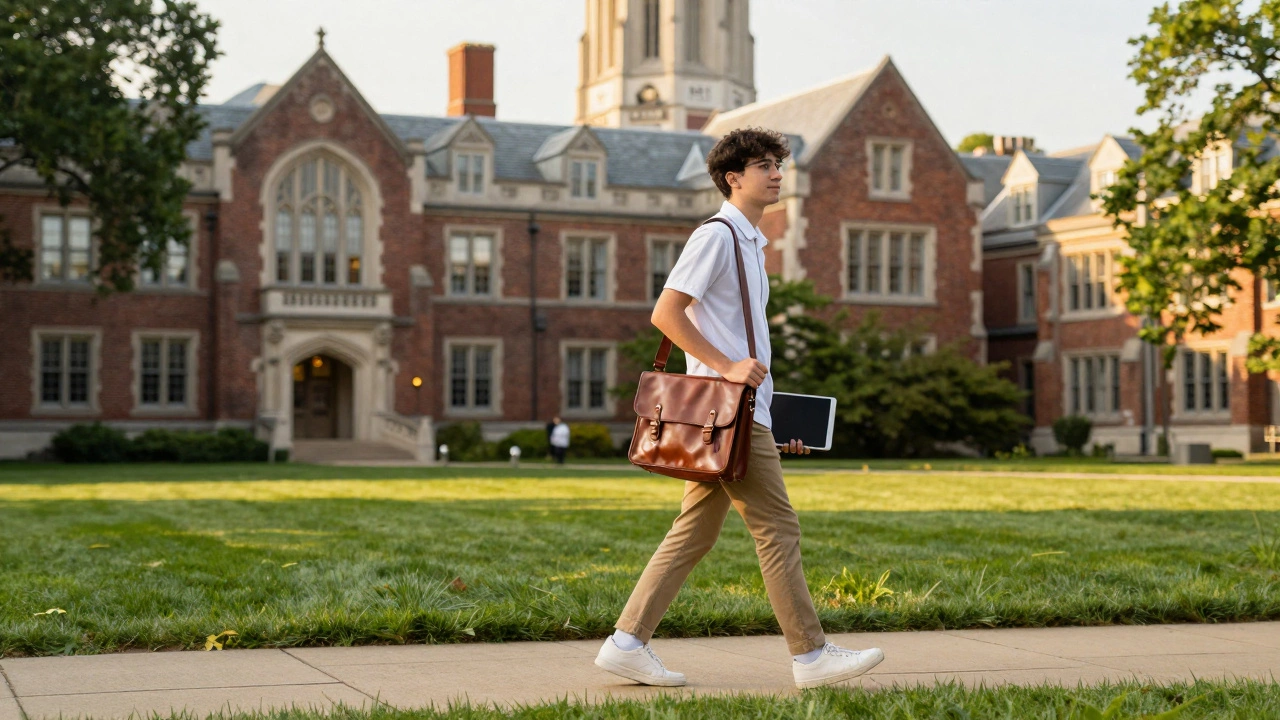
Choosing the Right Summer Path
If you're trying to decide if a student should enroll, you have to look at the "why." If the goal is to fix a grade, look for programs that offer a high level of teacher interaction. Purely online "click-through" courses are often less effective than hybrid models where a student can ask a teacher for help in person. Check if the school provides a specific learning plan that targets the areas where the student failed-did they struggle with the concepts, or was it a matter of missing assignments? If the goal is enrichment, don't just pick the most prestigious name. Look for a program that offers a project-based outcome. A student who builds a robot or writes a short story is getting more value than one who just sits through another series of lectures. Ask about the student-to-teacher ratio; in these programs, mentorship is the real value, not the syllabus.Future Trends in US Summer Education
We are seeing a shift toward "Year-Round Schooling" in some districts, which essentially eliminates the long summer break and replaces it with shorter, more frequent breaks. This is a direct attempt to stop the "summer slide" and remove the need for remedial summer schools entirely. Additionally, there's a growing trend toward "micro-credentials." Instead of a full summer course, students might take a two-week "bootcamp" in a specific skill, like Python programming or digital marketing. These are shorter, punchier, and more aligned with how the modern workforce operates.Is summer school always for students who failed?
No. While remedial courses are common, many students attend summer school for enrichment, to get ahead in a subject, or to earn early college credits through dual enrollment programs.
Do you get a real grade in summer school?
Yes. For credit recovery, the grade typically replaces the failing grade on the transcript or is added as a new credit. For enrichment or college courses, you receive a standard grade or a certificate of completion.
How long does a typical US summer school session last?
Most sessions last between 4 and 8 weeks. Some intensive "bridge" programs for graduating seniors may only last 2 to 3 weeks.
Can international students attend US summer schools?
Yes, but typically only in the enrichment or university pre-college categories. These programs often provide specific visas or short-term permits for international attendees.
Are summer school classes harder than regular classes?
The content is the same, but the pace is much faster. You are covering months of material in weeks, which means the daily workload is significantly heavier.
Write a comment