

Tutoring Impact Calculator
This tool helps you assess if tutoring is likely to benefit your child based on the article's research. Enter key factors to see estimated academic gains.
Parents spend thousands on private tutoring every year. They see their child struggle with math, panic before exams, or lose confidence in class. So they sign up for weekly sessions, hoping it’ll turn things around. But does it actually work? Or is it just another expensive habit we’ve convinced ourselves is necessary?
The short answer: yes, tutoring can help-when it’s done right. But it’s not magic. It doesn’t automatically turn a C student into an A student. And it won’t fix a child who’s overwhelmed, bored, or emotionally drained. The real question isn’t whether tutoring works-it’s how it works, and for whom.
What tutoring actually does
Tutoring isn’t about re-teaching the whole curriculum. Most kids aren’t failing because they never learned the material. They’re struggling because they missed a key concept early on, got lost in a fast-moving class, or never learned how to study effectively. A good tutor finds those gaps.
Take algebra. A child might be stuck on solving equations because they never fully understood negative numbers in Year 7. A classroom teacher has 30 students and a packed schedule. A tutor can pause, go back, and rebuild that foundation. That’s the real value: targeted repair, not repetition.
Research from the Education Endowment Foundation in the UK tracked over 20,000 students in tutoring programs. Those who received one-to-one tutoring in literacy and numeracy showed, on average, an extra four months of progress over a school year. That’s not a small gain-it’s the difference between failing and passing a key exam.
Who benefits the most?
Not every child gains the same amount. The biggest improvements happen with students who are already motivated but need a nudge. These are the kids who try, but get stuck. They ask questions in class but don’t get answers. They do their homework but don’t understand why they got it wrong.
On the other hand, tutoring often fails when the child doesn’t want to be there. If a kid is resentful, tired, or believes they’re just “bad at math,” no tutor can fix that alone. The child needs to feel safe, seen, and supported-not just corrected.
One mother in Wellington told me her 12-year-old refused to do math homework for months. After two tutoring sessions, the tutor didn’t even open a textbook. They just talked about why math felt so scary. By session three, the child was solving problems on their own. The breakthrough wasn’t the math-it was the trust.
What makes tutoring effective
Not all tutoring is created equal. A tutor who just drills worksheets won’t help much. The most effective tutoring shares three traits:
- Personalization - The tutor adjusts pace, style, and focus based on the child’s needs, not a textbook.
- Feedback loops - The tutor checks understanding after every step, not just at the end.
- Connection - The child feels heard, not judged. They know it’s okay to say, “I don’t get this.”
Compare that to group tutoring or online video lessons. A 2023 study from Stanford found that one-to-one tutoring produced nearly double the gains of small-group sessions. Why? Because the tutor can adapt instantly. If a child blinks too long while solving a problem, the tutor notices. In a group, that moment slips by.
Even the best tutor can’t help if they’re mismatched. A highly structured, analytical tutor might overwhelm a creative, big-picture thinker. A gentle, encouraging tutor might frustrate a child who needs clear boundaries. Matching style matters as much as subject knowledge.

The hidden cost of tutoring
Private tutoring isn’t cheap. In New Zealand, rates range from $40 to $120 an hour. That’s $1,600 to $4,800 a year for weekly sessions. Families often stretch their budgets, skip vacations, or take on extra work to afford it.
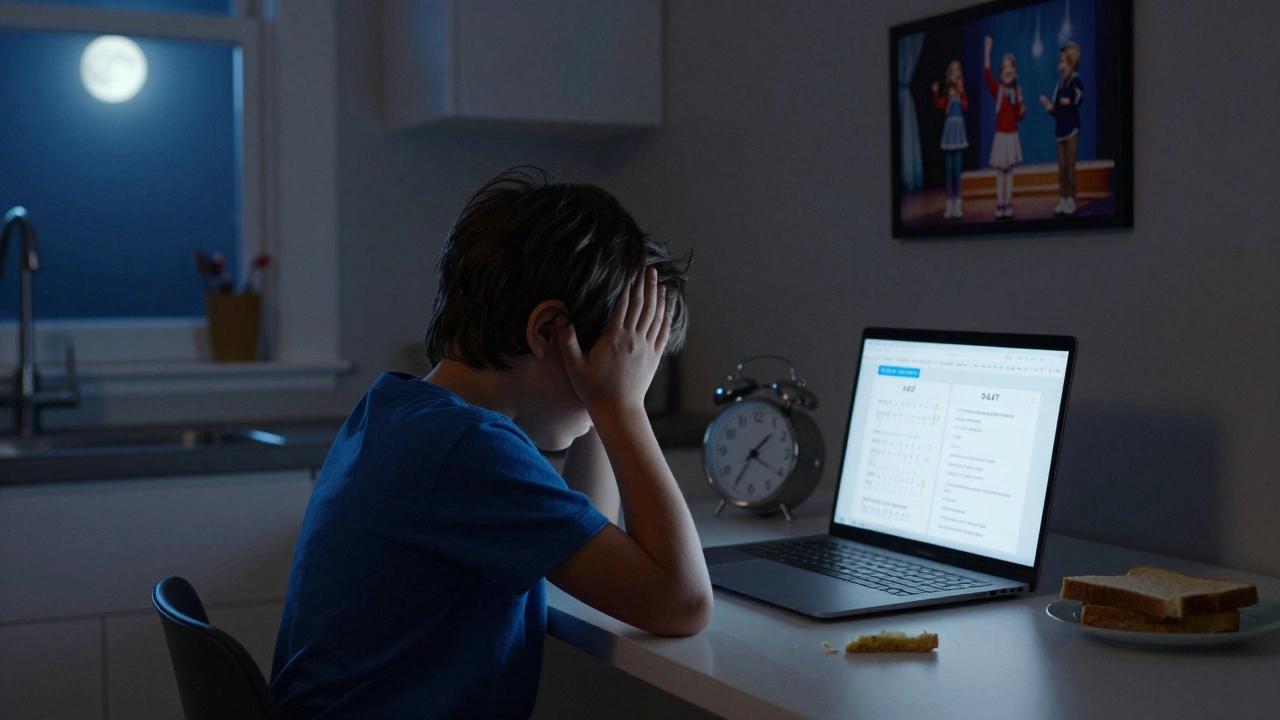
But the real cost isn’t just money. It’s time. Kids are already packed with school, sports, music lessons, and screen time. Adding a weekly tutoring session can mean less sleep, less play, less family dinner. Some children start to associate learning with stress, not curiosity.
And there’s another risk: dependency. If a child learns that they can’t understand something unless a tutor is there, they stop trying to figure things out on their own. The goal shouldn’t be to keep them dependent on tutoring-it should be to make tutoring unnecessary.
When tutoring doesn’t help
Tutoring won’t fix:
- A child who’s anxious about school
- A student who’s being bullied or feels isolated
- A family where homework is a daily battle
- A classroom that’s too fast-paced for everyone
These aren’t academic problems. They’re emotional, social, or systemic ones. No tutor can fix a child’s fear of speaking up if they’re being laughed at in class. No tutor can change a school’s pacing policy.
Some parents use tutoring as a substitute for talking to teachers or addressing bigger issues. That’s like putting a bandage on a broken bone. It might feel better for a while, but the problem stays.
One father in Christchurch hired a tutor for his daughter’s science grade. After three months, her marks didn’t improve. He finally asked her what was going on. She said, “I hate science because Mr. Lee calls me stupid when I get it wrong.” The tutor couldn’t fix that. The school had to.
Alternatives to private tutoring
You don’t need to spend hundreds a week to help your child. Here’s what works just as well-or better-for many families:
- Free online resources - Khan Academy, NZMaths, and BBC Bitesize offer clear, structured lessons with practice questions.
- Peer study groups - Kids often learn better from each other. A weekly 30-minute study session with a classmate can be more effective than an hour alone with a tutor.
- Teacher office hours - Most schools allow students to ask questions after class or during lunch. Many teachers are happy to help if a child shows initiative.
- Learning strategies - Teaching kids how to take notes, use flashcards, or break down problems can have a bigger long-term impact than any tutoring session.
One mum in Dunedin switched from $80/hour tutoring to using free YouTube videos and weekly 15-minute check-ins with her son. Within two months, his grades improved. He also started asking questions in class. He didn’t just learn math-he learned he could figure things out himself.
How to decide if tutoring is right for your child
Before you pay for a single session, ask yourself:
- Is my child struggling because they don’t understand the material-or because they’re afraid to try?
- Have I talked to their teacher about what’s going on in class?
- Can we try free or low-cost options first?
- Will tutoring add more pressure-or give my child space to breathe and learn?
- What does success look like? Is it a better grade, or more confidence?
If you do choose tutoring, start with a trial. Most tutors offer a 30-minute introductory session. Use it to see how your child reacts. Do they relax? Do they ask questions? Does the tutor listen-or just lecture?
And set a clear end goal. “Improve math grade from C to B in six weeks.” Not “help my child get smarter.” That’s too vague. Goals keep you focused-and help you know when it’s time to stop.
Final thought: tutoring is a tool, not a solution
Tutoring can be powerful. It’s given kids back their confidence, helped them catch up after illness, and opened doors they thought were closed. But it’s not a cure-all. It’s a tool-like a hammer. Useful when you need to drive a nail. Useless-or even damaging-if you try to use it to fix a leaky pipe.
The best thing you can do for your child isn’t hiring a tutor. It’s believing they can learn. Listening when they say they’re stuck. Helping them find the right kind of support-whether that’s a tutor, a teacher, a friend, or just time.
Because in the end, kids don’t need someone to tell them the answer. They need someone who helps them believe they can find it themselves.
Does tutoring improve grades?
Yes, tutoring can improve grades-but only when it’s targeted and consistent. Studies show students who receive one-to-one tutoring typically gain the equivalent of four extra months of learning over a school year. But this only happens when the tutor identifies and fixes specific gaps, not just repeats lessons. Group tutoring or generic online courses show much smaller gains.
Is private tutoring worth the cost?
It depends. If your child is motivated but stuck on a few key concepts, tutoring can be a smart investment. But if they’re overwhelmed, anxious, or resentful, money spent on tutoring might not help-and could even make things worse. Consider free alternatives first: online resources, peer study groups, or asking teachers for extra help. Tutoring should be a last resort, not the first.
How do I know if my child needs a tutor?
Look for signs: consistent homework struggles, avoiding schoolwork, falling behind despite effort, or losing confidence. But don’t jump to tutoring right away. Talk to their teacher first. See if the issue is academic, emotional, or environmental. Try free resources for a month. If nothing changes, then consider a trial tutoring session with a focus on one specific skill.
Can tutoring hurt a child’s confidence?
Yes, if it’s done poorly. If a tutor is impatient, overly critical, or pushes too hard, a child can start to believe they’re “bad at learning.” The best tutors focus on progress, not perfection. They celebrate small wins and make mistakes feel normal. If your child dreads tutoring sessions, that’s a red flag-not a sign it’s working.
What’s better: online tutoring or in-person?
For most kids, in-person tutoring is more effective. It’s easier to read body language, stay focused, and build trust. But online tutoring works well for older students who are self-motivated and have strong tech skills. The key isn’t the format-it’s the connection. A great online tutor can be just as effective as a great in-person one. Choose based on your child’s personality, not convenience.
Write a comment