

Online School Eligibility Calculator
How Online School Might Work For You
This tool helps you determine if online school might be a good fit for your situation. Based on your responses, you'll receive personalized guidance about whether online school could address your needs and challenges.
Note: This is not a medical or educational evaluation. Consult with school counselors or professionals for personalized advice.
You’re sitting at the kitchen table, staring at your laptop, wondering: can I do online school instead of going to school? Maybe you’re tired of the morning rush, sick of crowded hallways, or just need more control over your schedule. Maybe you’re dealing with anxiety, health issues, or a job that won’t let you sit in a classroom five days a week. The truth? Yes, you can. And thousands of students are already doing it-successfully.
What Online School Actually Looks Like
Online school isn’t just watching videos and typing answers into a form. It’s a full-time education delivered through a structured curriculum, just like a traditional school. You’ll have assigned teachers, deadlines, graded assignments, and exams. Most accredited online schools follow the same state or national standards as brick-and-mortar schools. In the U.S., for example, programs like K12, Connections Academy, and Florida Virtual School are state-approved and count as legitimate public or private school options.
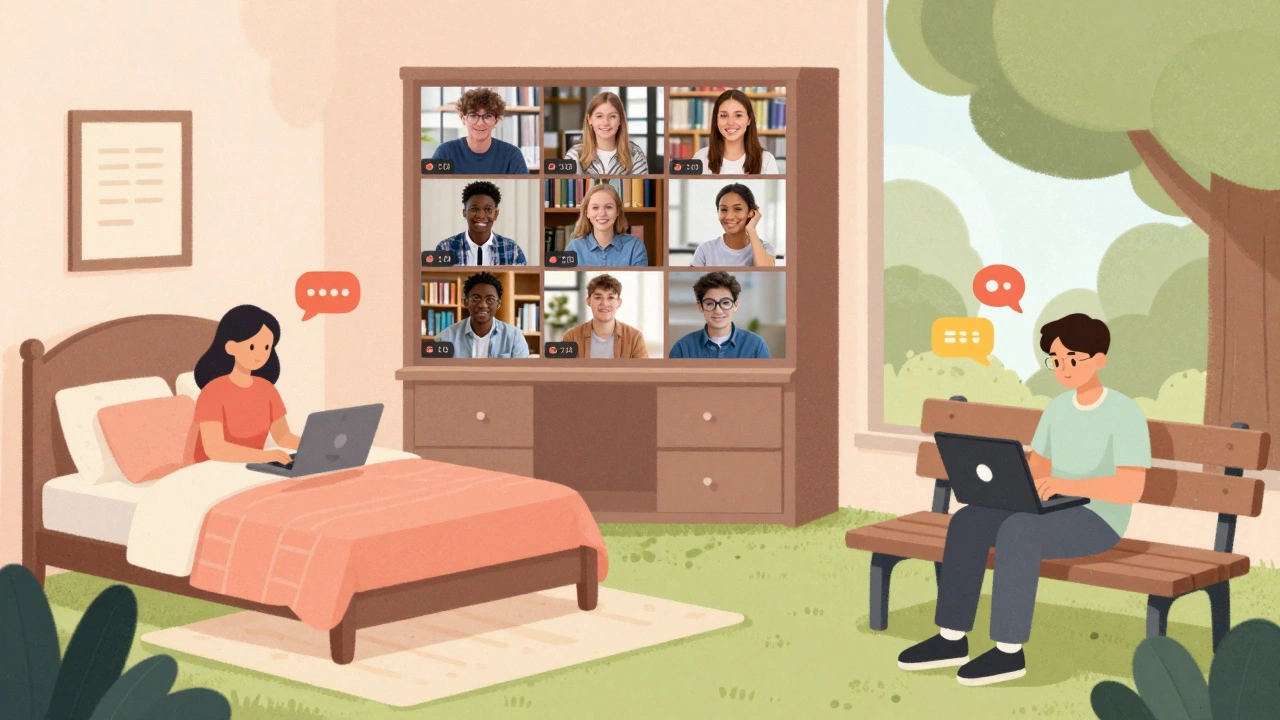
Instead of a bell ringing at 8 a.m., you might start your day at 10 a.m. after helping with younger siblings or recovering from chronic fatigue. Instead of sitting in a lecture hall, you join a live Zoom class with 15 other students and a teacher who checks in on you every week. You turn in essays through a learning portal, take quizzes online, and get feedback via email or video calls.
Some programs even offer hybrid options: two days in person, three days online. That’s not just flexibility-it’s personalization.
Who Can Do Online School?
You don’t need to be a genius or a prodigy. You don’t need to be homeschooled by a parent with a teaching degree. Online school is open to:
- Students with chronic illnesses like asthma, diabetes, or autoimmune disorders
- Those struggling with anxiety, depression, or social phobias
- Young athletes or performers with demanding schedules
- Students who’ve been bullied or feel unsafe at school
- Families who travel frequently or live in remote areas
- Teens working part-time jobs and needing flexible hours
In 2024, over 3.7 million U.S. students were enrolled in full-time online public schools, according to the National Center for Education Statistics. That’s up 42% since 2020. It’s not a niche anymore-it’s a mainstream choice.
How Is It Different From Homeschooling?
This is a common mix-up. Homeschooling means a parent or guardian teaches the child at home, often using their own curriculum. Online school means a licensed school district or private institution teaches the child using a certified curriculum, certified teachers, and official transcripts.
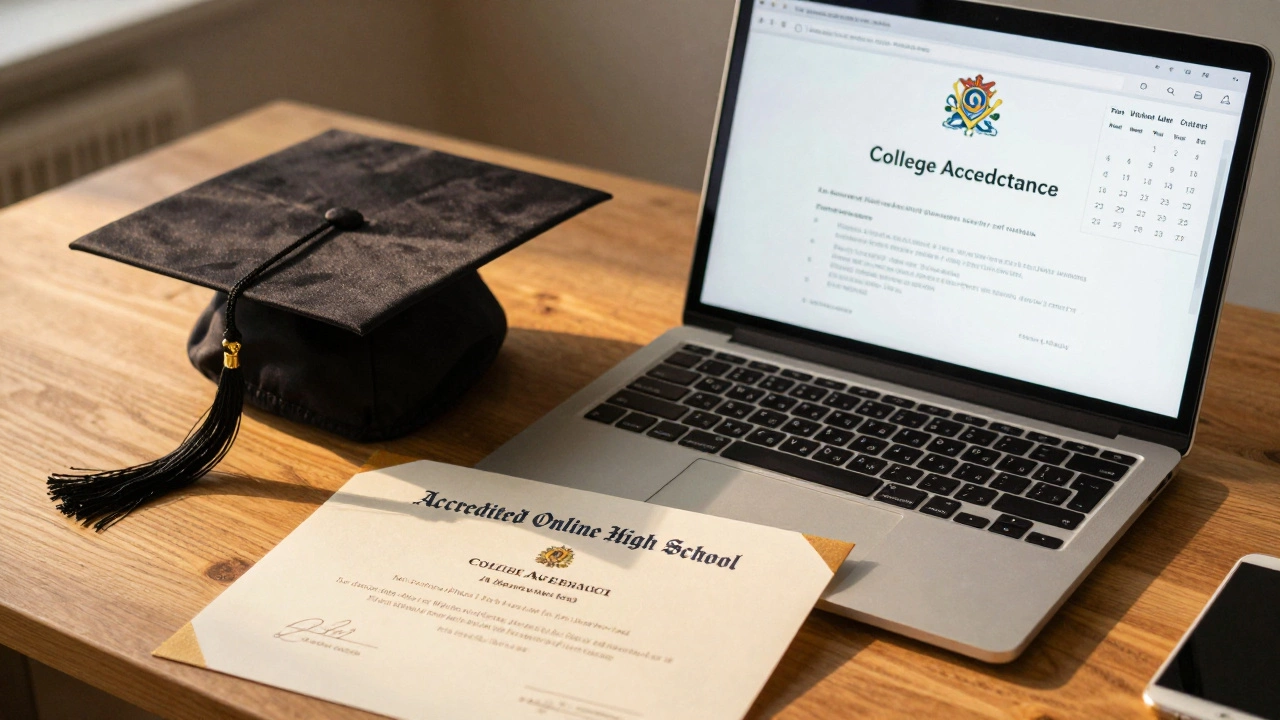
With homeschooling, you’re responsible for everything: lesson planning, grading, record-keeping, and meeting state requirements. With online school, the school handles all of that. You get a diploma at the end-not a homeschool certificate. Colleges accept online school diplomas the same way they accept traditional ones.
Think of it this way: homeschooling is like running your own restaurant. Online school is like working at a franchise-you still make the food, but the menu, training, and branding are already set up.
What Are the Real Challenges?
Let’s be honest: online school isn’t easier. It’s different-and it demands more from you.
Without the structure of a school bell, you need to manage your own time. Procrastination becomes your biggest enemy. If you skip a math lesson on Tuesday, you don’t get a reminder from a teacher walking by your desk. You have to remember to log in, check the assignment board, and get it done.
Some students struggle with isolation. No hallway chats, no lunchroom laughter. That’s why top online schools build in social time: virtual clubs, group projects, field trips, and even in-person meetups for sports or science fairs.
Not every family has a quiet space for studying. If you’re sharing a room with three siblings or living in a noisy apartment, it’s harder to focus. Some schools offer stipends for learning supplies or even free internet access to help.
And yes-some parents don’t know how to help. You don’t need to be a teacher, but you do need to be a coach. Ask your student: "What’s due this week?" Not "Did you finish your homework?"
How Do You Get Started?
Here’s the simple step-by-step:
- Check your state’s rules. Some states require you to notify your district if you’re switching to online school. Others let you enroll directly.
- Find an accredited program. Look for schools accredited by Cognia, AdvancED, or your state’s department of education. Avoid programs that promise a diploma in 3 months-that’s a red flag.
- Apply. Most online schools have open enrollment year-round. You’ll need your transcripts, proof of residency, and sometimes a short interview.
- Get your tech ready. You need a reliable computer, a quiet space, and internet. Many schools provide laptops or hotspots if you qualify for financial aid.
- Start. Your first week will feel weird. That’s normal. Stick with it. The first month is the hardest. After that, you’ll find your rhythm.
What About College and Future Jobs?
Colleges don’t care if your diploma says "Online High School" or "Lincoln High." They care about your grades, your coursework, and your extracurriculars. A student who took AP Calculus, led a robotics club online, and volunteered remotely is just as competitive as someone who did the same things in person.
Employers are catching up too. A 2023 LinkedIn survey found that 78% of hiring managers said they valued self-motivation and time management skills-exactly what online school builds. You’re not just learning math and history. You’re learning how to show up for yourself.
When Online School Might Not Be Right
It’s not for everyone. If you thrive on daily face-to-face interaction, need hands-on labs, or love the energy of a basketball game after school, online school might leave you feeling empty. If you’re easily distracted and need someone breathing down your neck to get work done, you’ll struggle without structure.
And if you’re switching just because you hate math class? That’s not a reason. Online school doesn’t make hard subjects easier. It just gives you more control over when and how you learn them.
Try a trial period. Many schools offer a 30-day grace period. If it’s not working, you can switch back without penalty.
Final Thought: It’s Not About Avoiding School. It’s About Finding the Right One.
Going to school doesn’t mean sitting in a classroom. Learning doesn’t mean being told what to do. Online school isn’t a backup plan. It’s a real path for real students who need something different. It’s not about escaping responsibility-it’s about owning your education.
If you’re ready to take charge of your learning, the door is open. All you have to do is click "enroll."
Is online school free?
Many public online schools are tuition-free, just like traditional public schools. You’ll still need to cover basic supplies like notebooks or a printer, but curriculum, teachers, and diplomas are covered. Private online schools charge tuition, often between $5,000 and $15,000 per year. Always check if the program is accredited before paying anything.
Can I still get a high school diploma?
Yes-if you attend an accredited online school. Accredited programs issue official diplomas recognized by colleges, the military, and employers. Make sure the school is listed on your state’s department of education website or accredited by Cognia, AdvancED, or a regional agency. Avoid diploma mills that promise quick certificates for a fee.
Do online schools offer special education services?
Yes. Federal law requires public online schools to provide the same special education services as traditional schools, including IEPs, 504 plans, speech therapy, and assistive technology. You’ll work with a case manager who coordinates online sessions with specialists. Not all private online schools offer this, so ask upfront if your child needs accommodations.
How do I know if an online school is legit?
Check if it’s accredited by a recognized agency like Cognia or your state’s education department. Look for a physical address, licensed teachers with state certifications, and a clear curriculum aligned with state standards. Avoid schools that promise fast diplomas, don’t require standardized testing, or have no contact information. Read reviews from current or former students on forums like Reddit or the Better Business Bureau.
What if I fall behind in online school?
Most online schools offer tutoring, extended deadlines, and flexible pacing. If you’re struggling, reach out to your teacher immediately-don’t wait until the assignment is late. Many programs have weekly check-ins with academic advisors. You can also retake failed courses or take summer classes to catch up. The system is designed to help you succeed, not punish you for falling behind.
If you’re thinking about switching, start by talking to your current school counselor. They can help you understand your options and paperwork. You’re not giving up-you’re choosing a different way to learn.
Write a comment